Energy
Brrrr! Making the most of our energy and keeping our bills down can be a tricky subject to master, but there are lots of practical things we can do to keep our homes warm and save money throughout the winter.
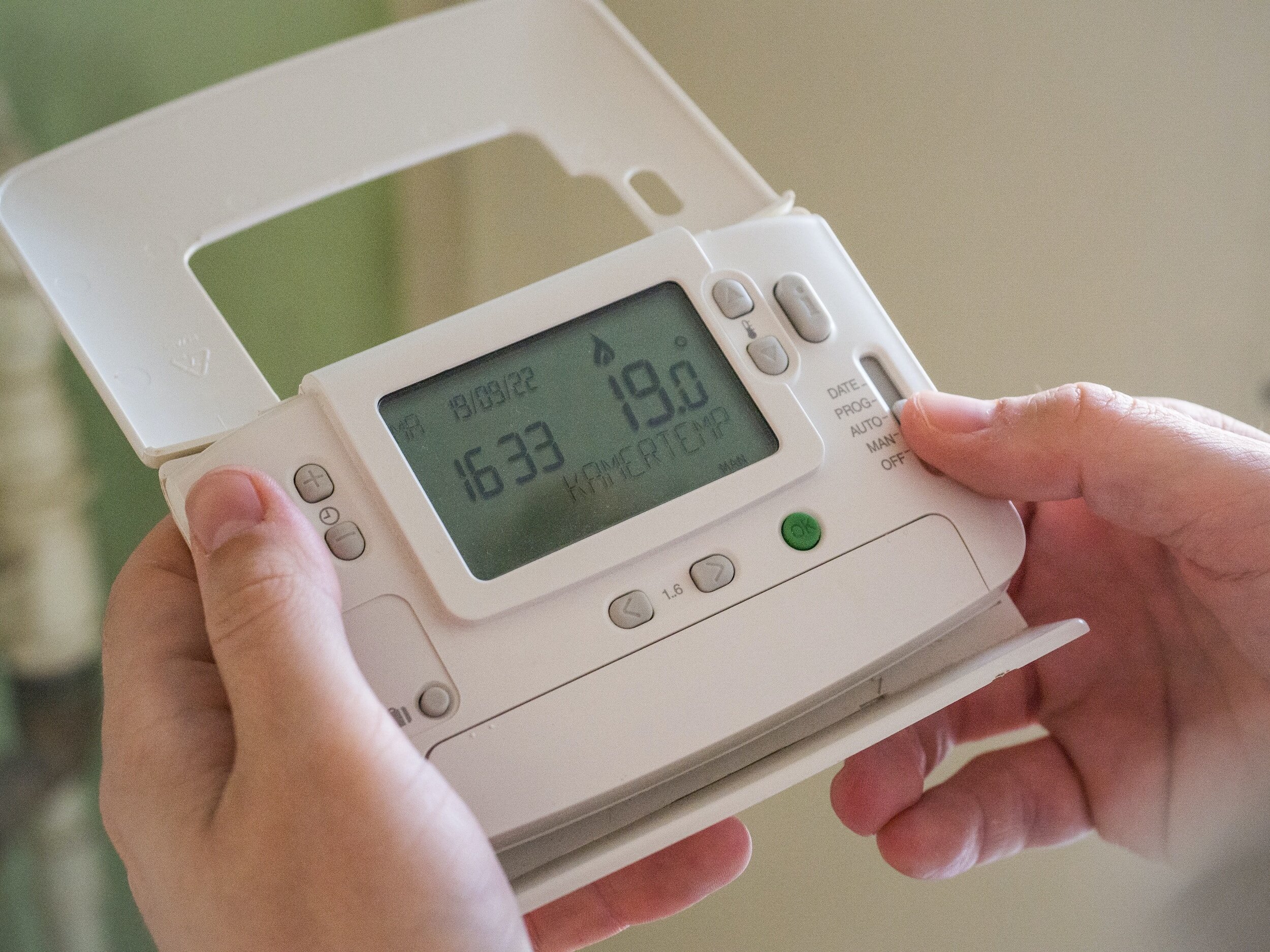
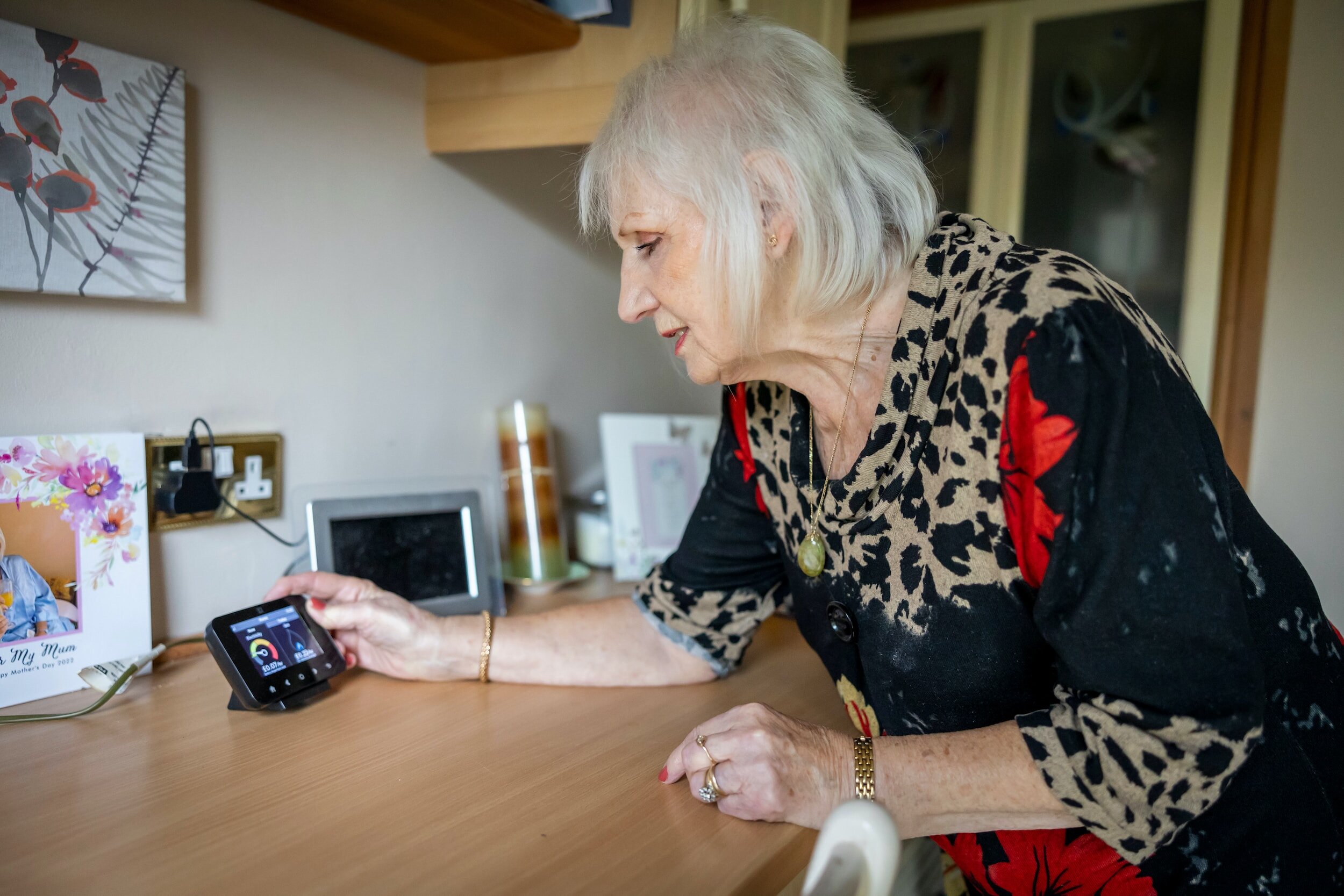
Did you know dialing down your thermostat 1°C could save the average UK household around £100 a year? Last year’s record high temperatures meant that UK households consumed 14% less energy than in 2021, but with rising costs of living there’s still plenty of ways to cut back on bills when we look at the ways we use energy every day.
Every time we turn on the light, switch on a plug, or use hot water, the energy that we use comes directly from the National Grid. Whilst the UK is generating more energy from clean and renewable sources every year, lots of this energy comes from burning fossil fuels; one of the main causes of climate change.
Here are some simple changes you can start making right now…
From our friends at Money Saving Expert:
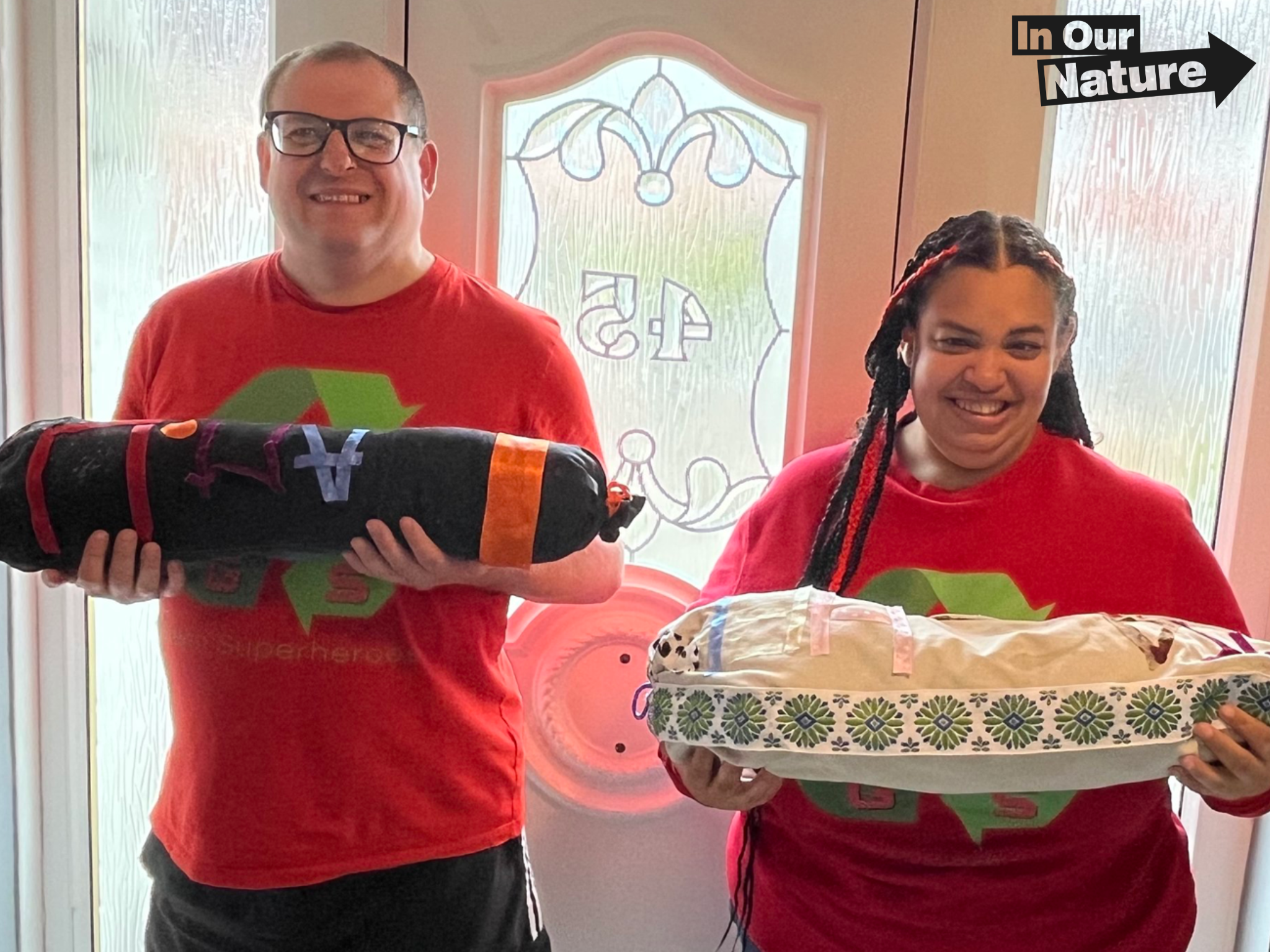
Fitting a hot water cylinder jacket could reduce heat loss by up to 75% and save you as much as £45 a year.
Turning radiator valves down to between 2.5 and 3 in rooms you don’t use could save you around £70 a year.
Other top tips:
Switching your lights to low energy bulbs - LED lights are a bright idea that use 85% less energy than traditional bulbs and last much longer.
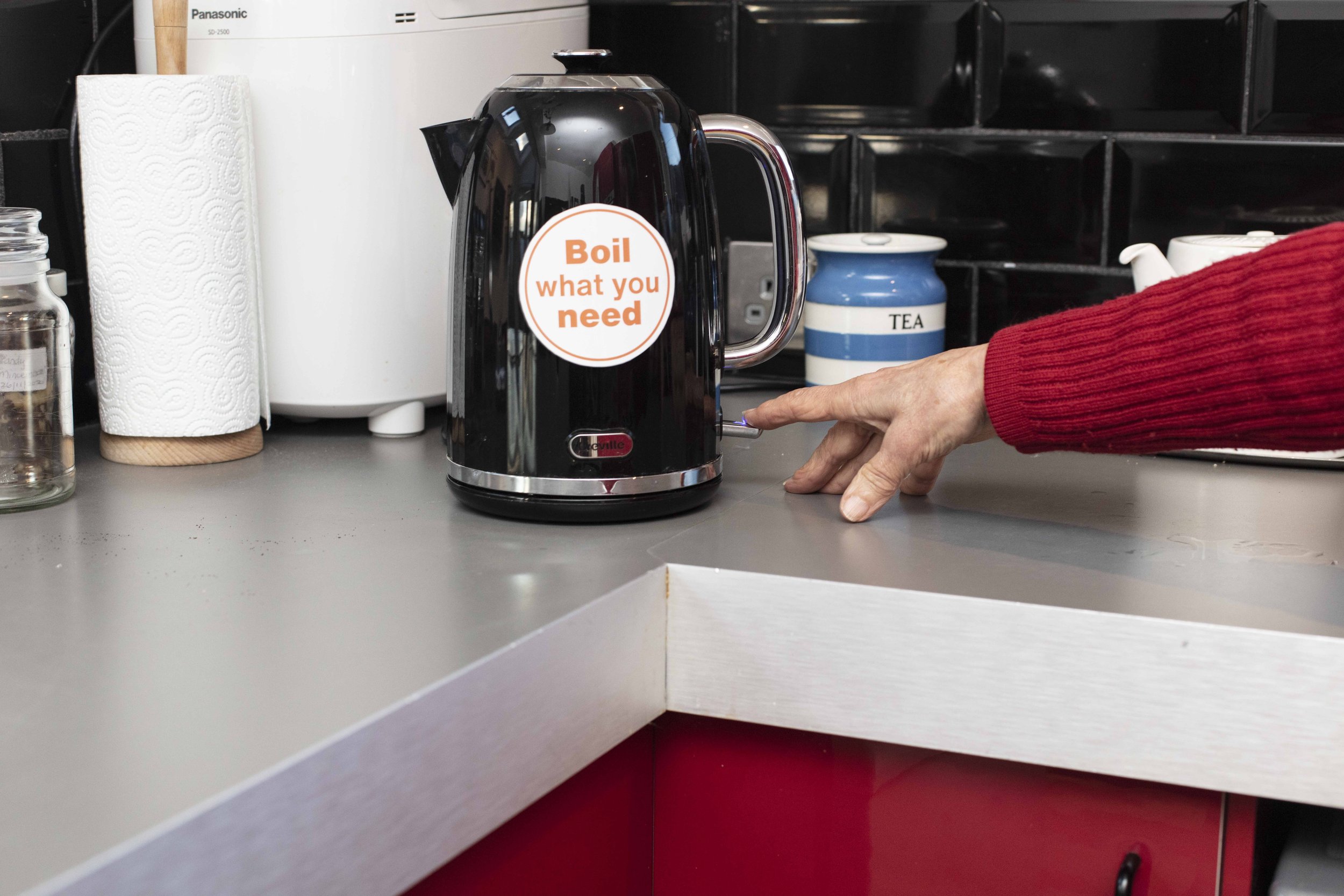
Saving hot water - opt for shorter showers (aim for 4 minutes!) instead of baths, pop a pan lid on when cooking, use a washing-up bowl when doing dishes by hand and only boil enough water in the kettle for the cups of tea you’re making.
Swapping your energy supplier - power your home with wind, solar, or hydro power to make a really big difference. It can often be cheaper too, if you find a good supplier.
Ready to tap in? Make your energy go further than ever with these resources:
Check out our energy related projects:
Water is a precious resource which is regularly taken for granted, which can be a big issue in times of drought and adapting for the ever-changing climate.
As cities around the world work hard to address climate change, innovative solutions are being implemented to reduce carbon footprints and improve people’s homes. However, transitioning to new technologies can be daunting, especially for people who are unfamiliar with the latest advancements.
In early 2024 we ran a 6 week long slow cooking course with Open Kitchen at the Northmoor Community Association in Longsight.
Take a look at our energy saving poster with Withington Assist
Food
Did you know that between 2021 and 2022, wasted food cost families around £80 per month? That’s £960 a year!
Did you know that between 2021 and 2022, wasted food cost families around £80 per month? That’s £960 a year (WRAP)! In the UK, 60% of our food waste comes from our households which is hard to swallow, but don’t worry – a few simple switches to our daily habits can help keep more of our meals out of our bins and in our bellies (where they should be!)
Making your food go further is often simpler than it sounds. Ever wondered how to make your avocado or salad leaves last just a bit longer? Or been unsure if something’s still okay to eat?
In the lead up to 2023, over 70% of us in the UK were already making changes to how we buy, store and manage food (WRAP). Making lots of small changes to how we think about food on can make a massive difference when cutting out food waste, helping both the planet and your pocket.
If all of that’s sounding like your cup of tea (or you’re ready to dig into a wider variety of actions), here’s our menu to help change your day-to-day habits:
Starters:
Shopping and cooking smarter (planning ahead and batch-cooking)
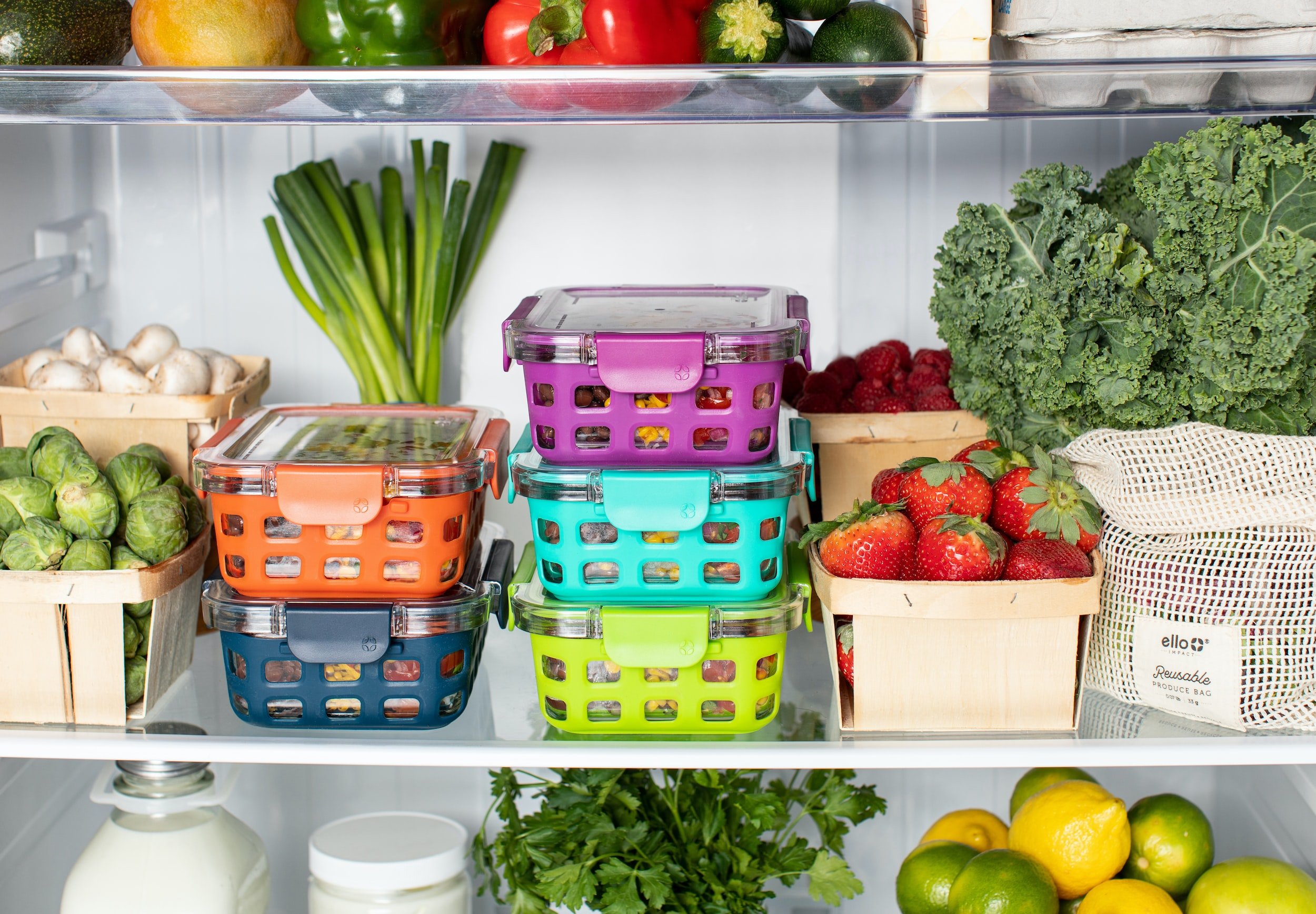
Storing food correctly (did you know frozen foods tend to be picked and frozen at peak ripeness, when they’re most nutritious?)
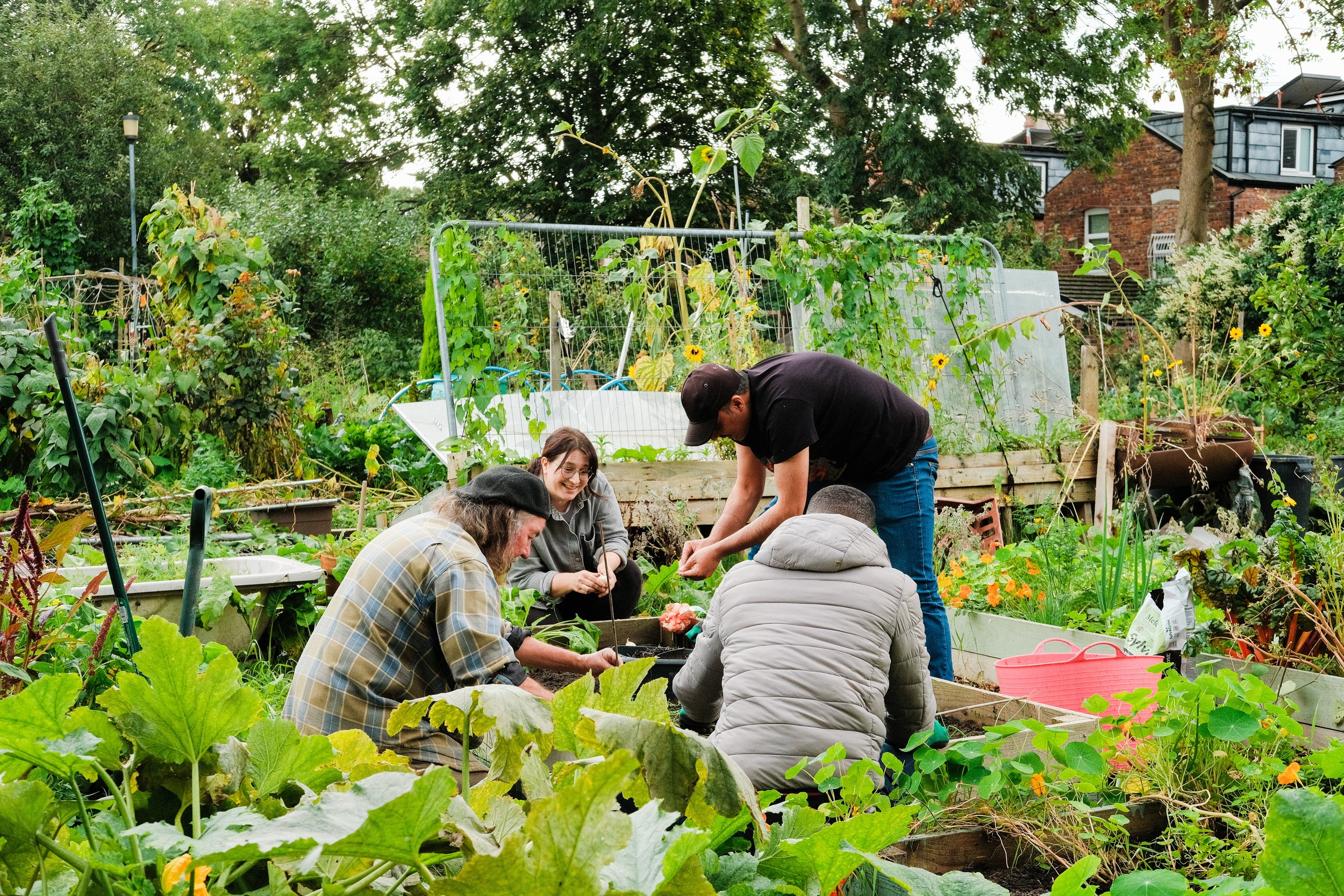
Growing your own food at home
Mains:
Adding more plants to your plate (to reduce the carbon footprint of meals and make them healthier)
Eating seasonal, local foods (fruit and veg are at their tastiest when they’re in season)
Desserts:
Donating surplus food to a Community Fridge (find one near you)
(Each of these come with a side of savings on money, time and effort in the kitchen, as well as the sweet satisfaction of making a lasting impact for the environment)
Ready to tuck in? Check out these tips to get started:
Enjoy a collection of some of our favourite sustainable recipes!
We teamed up with Woolfe Football Community CIC to support their goal of promoting sustainability and enhancing the athletic performance of their players.
Hungry to get your hands on some wild food? Mandem Meetup teamed up with us to encourage more people to connect with nature, reduce their food miles, share knowledge and have fun. Get foraging with The Mandem.
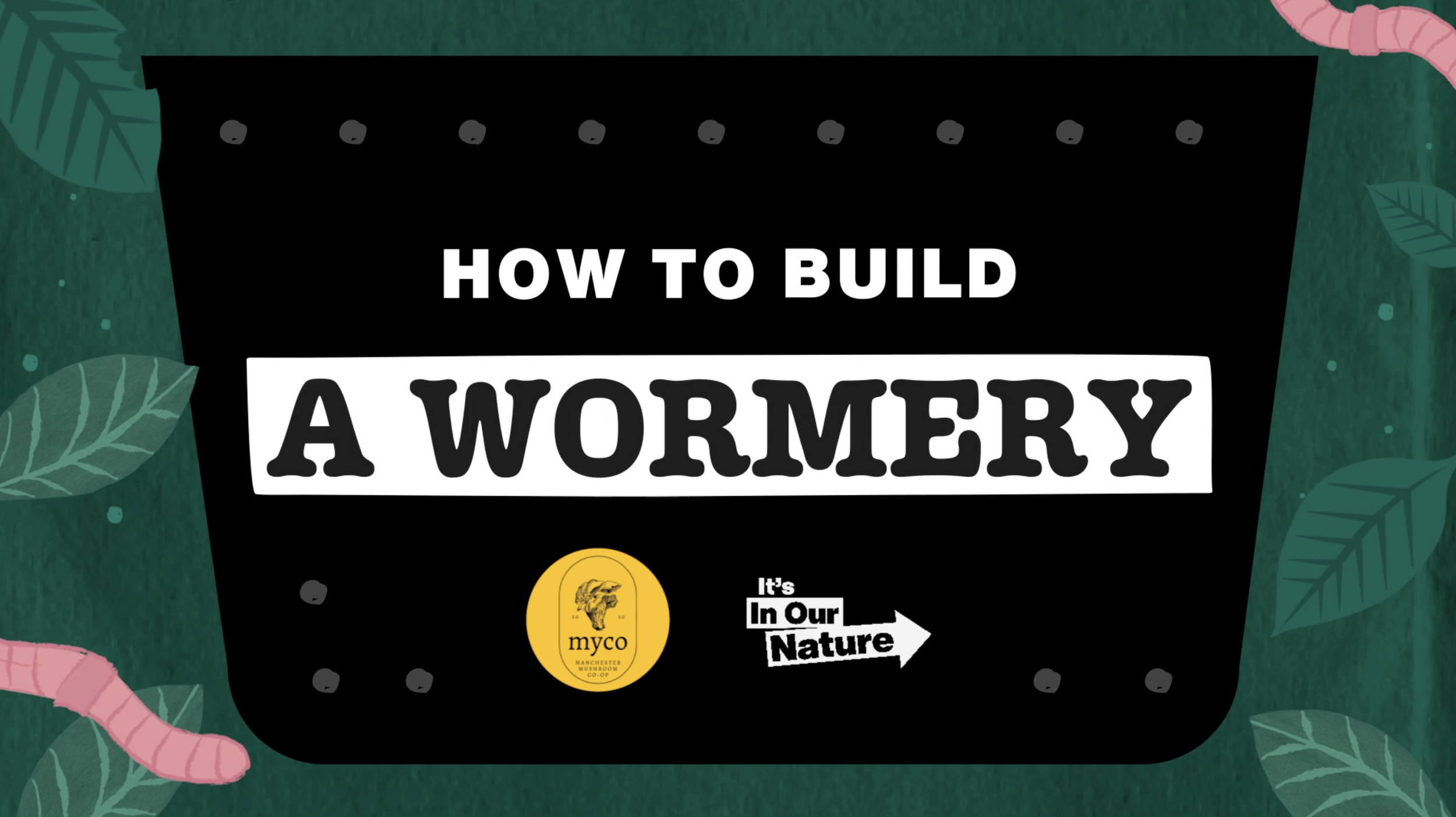
Learn how to build your very own at home wormery with this handy animated tutorial we created with Myco Manchester.
In the UK we eat around twice the global average of meat (UN FAO) and this comes with a massive environmental impact – animal farming is responsible for 14.5% of global emissions.
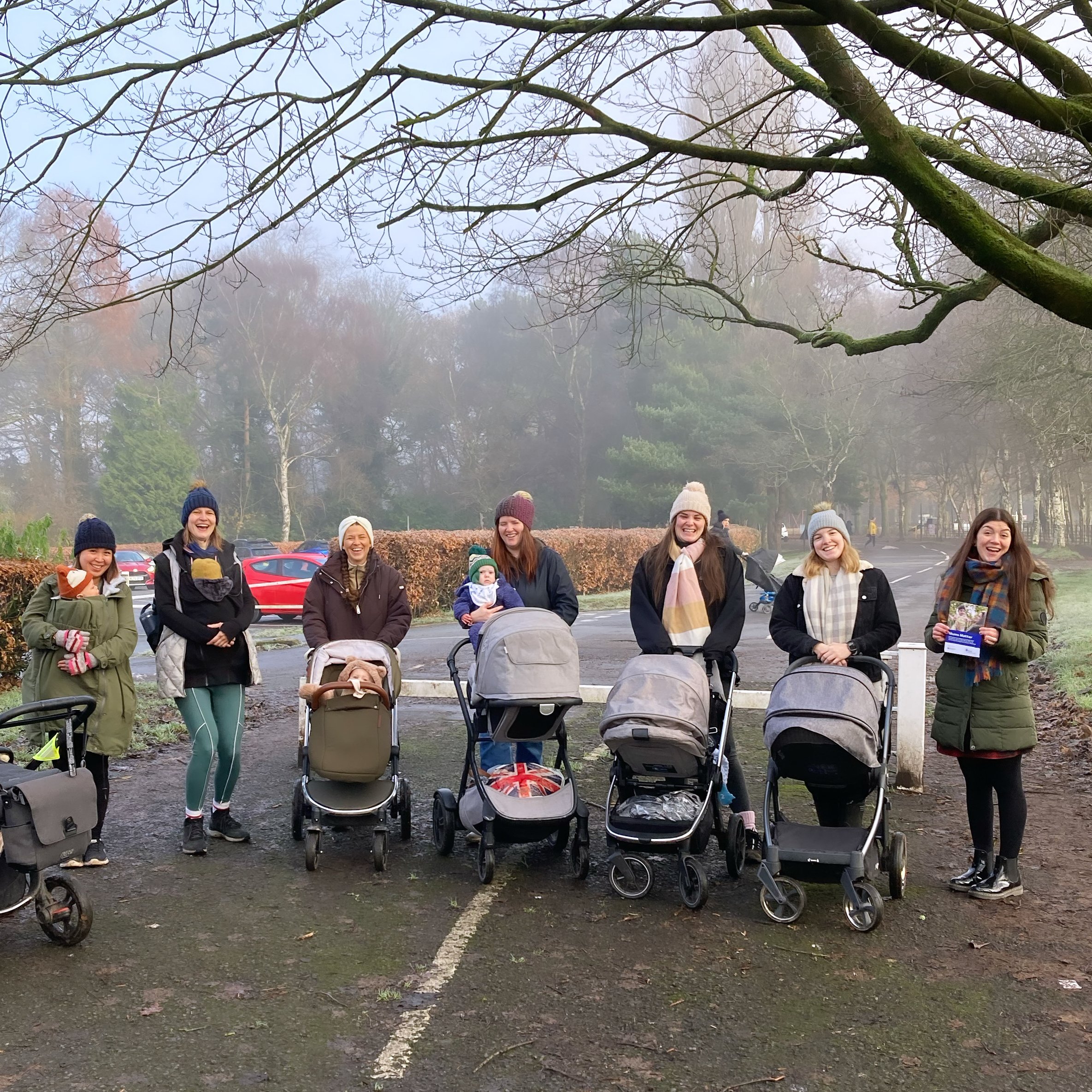
Tuck into some recipes that are good for your baby and the planet too!
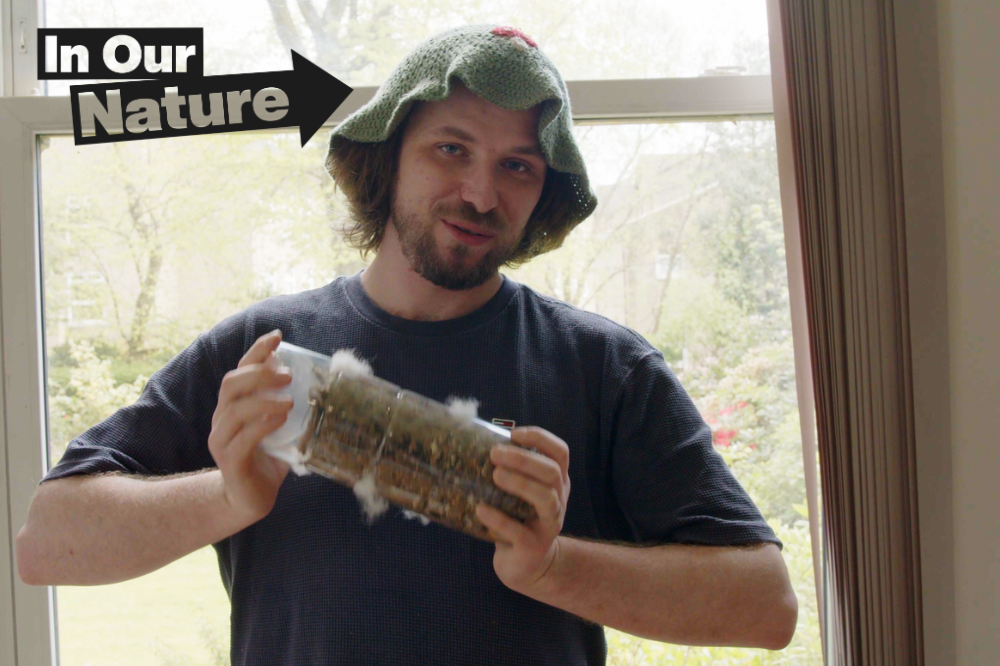
Ever thought about growing your own mushrooms at home? Check out our video guide with Norton from Fungall about how to grow mushrooms using mycelium and household waste!
A guide to S l o w Cooking: Slow cookers have had a lot of airtime in recent years, but are they worth the hype? We think so. As well as offering convenience, cost-effectiveness, and versatility, they also help minimise the washing up! What’s not to love?!
Whether you’re a dedicated vegan or a meatless Monday advocate, picking up more plants in your diet is beneficial for both our health and the planet!
Food is a huge part of Christmas festivities, yet for many of us our eyes are bigger than our bellies with around 2 million turkeys and 74 million mince pies going to waste each year. Here are 5 ways to help save money on your food bill…
Decorating your pumpkin instead of carving means less mess, less waste, and your whole pumpkin will stay fresh until you’re ready to eat it – everything is edible except the stalk.
Looking for a scare this Halloween? Here goes: millions of pumpkins will be bought this Halloween and left uneaten, going to waste.
When it comes to taking climate action, thinking about where our food comes from and making more informed decisions about the kind of food we eat can make a huge difference to our carbon footprints.
We’ve put together this guide to having a plastic and litter-free picnic so you can enjoy the great outdoors with your friends and family, without worrying about litter blowing into nature.
Roughly, one third of all food produced globally is wasted. Using a freezer can help cut food waste and save money. But, which foods can you freeze? And how long can you keep something in the freezer for?
5 ways to reuse cooking oils outside of your kitchen…
Looking for ways to have fun, save money and try something new this festive season?
Explore our food related projects and campaigns:
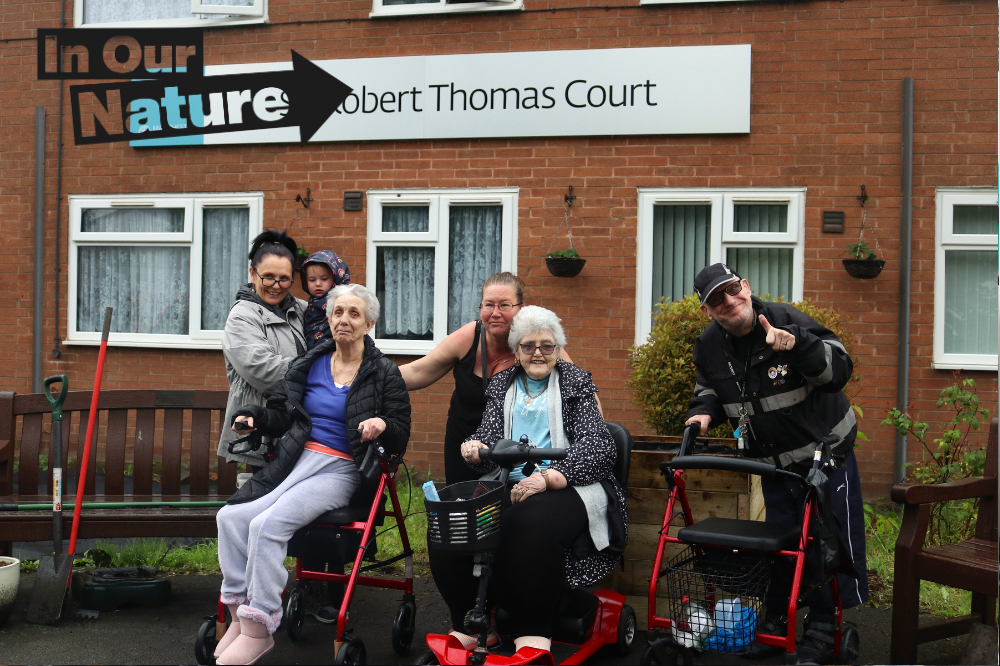
We supported housing associations Mosscare St Vincents Housing and Southway Housing Trust to help tenants take action on climate change – by making the most of their communal spaces.
In partnership with Climate Outreach and the Centre for Accelerated Social Transformation (CAST), in summer 2023 In Our Nature delivered an online food challenge to support the people of Moston to cook tasty, healthy meals whilst saving money and helping the environment.
Many young people in Manchester want to make better choices for the planet, but don’t feel like they have the knowledge and tools to make changes for themselves and their loved ones. We’ve been giving them a helping hand by introducing them to more low carbon, low cost recipes!
In early 2024 we ran a 6 week long slow cooking course with Open Kitchen at the Northmoor Community Association in Longsight.
Food stories we love:
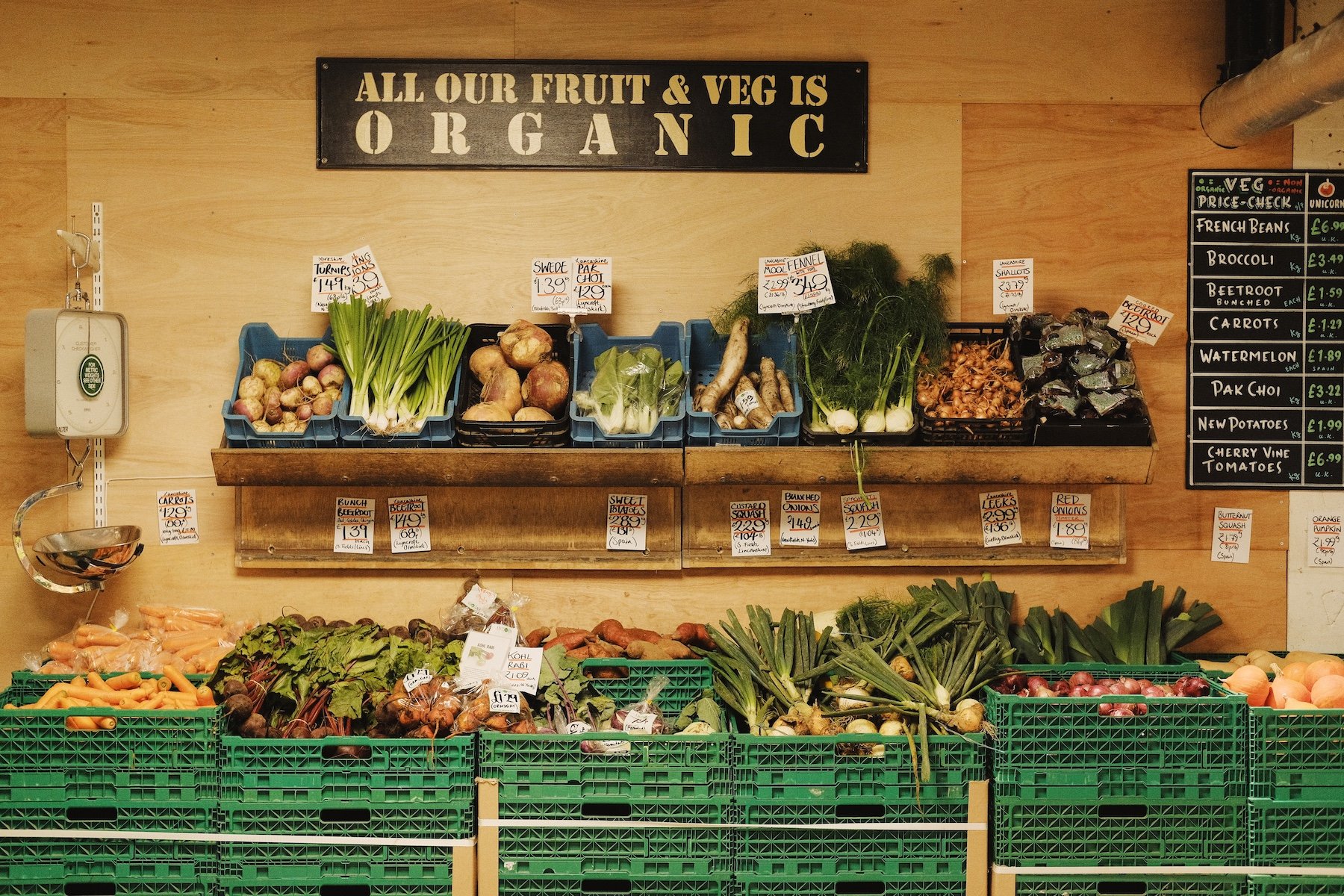
Unicorn Grocery is a worker-owned cooperative based in Chorlton, south Manchester with a big focus on affordable, organic, "cooking-from-scratch" ingredients and fresh, wholesome, tasty food. Seasonal eating is at the heart of what they do.
Getting around
Beep beep! Did you know that Manchester has fewer cars per person than any other UK city outside London?
Beep beep! Did you know that Manchester has fewer cars per person than any other UK city outside London? But, according to the Government, 1.62 billion vehicle miles were still travelled on Manchester’s roads in 2022, contributing to 34% of the UK’s total carbon emissions which come from transport. (gov.uk)
How we—and our things—get around can make a big difference to our carbon footprints. Manchester is one of the worst cities in the UK for air pollution, and pollution from road transport is the biggest culprit. While invisible, polluted air is the largest environmental risk to our health and can impact the most vulnerable in our society the most.
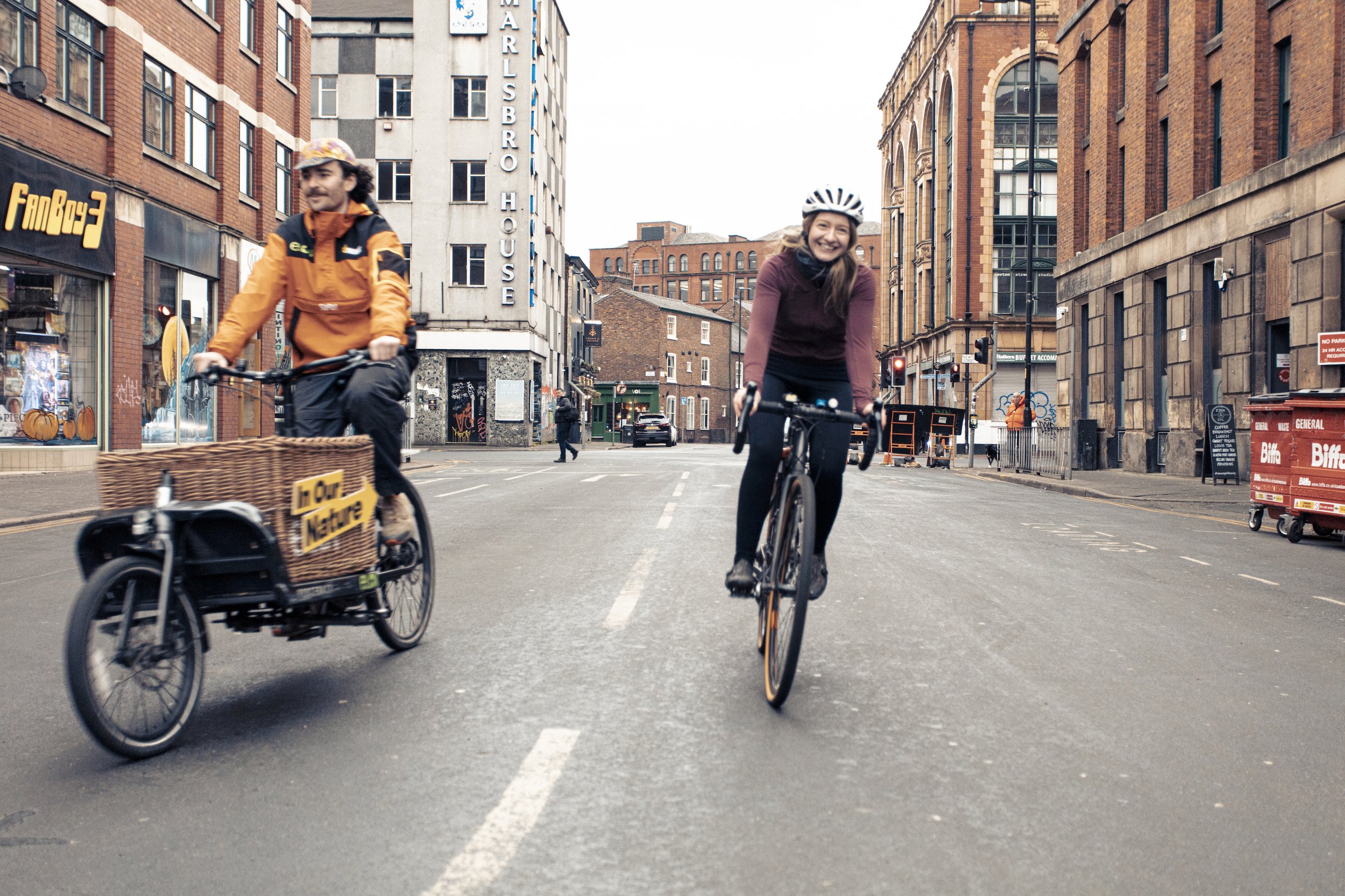
Yet there's no need to feel exhausted or stuck in a jam. By walking and cycling more, flying less, sharing your journeys and using public transport you could save money, help reduce your own carbon footprint, improve your wellbeing, and help protect the health of everyone in Manchester at the same time! Win, win, win!
Check out these tips and resources to help you keep Manchester’s air clean and green!
Flavours from Manchester’s Go Green project have created this handy tram tutorial video to help you explore the city.
Bike libraries are a great way to get more people to give cycling a try. Whether you're interested in setting up your own bike library, or just curious to find out what's involved, check out this resource by MCR Bike Kitchen.
Want to build a bike shelter for your community space but not sure where to start? Take a leaf out of St Margaret Centre’s book!
Make student life a breeze! Explore our guide to get the best from Manchester, from travelling around the city, finding vintage gems, saving money on your bills and eating out with your pals - we’ve got you covered.
Crisp air, winter sunshine. Just because it’s cold, it doesn’t mean you can’t get out for a walk or bike ride. Get your daily dose of vitamin D on two wheels with our top tips for winter cycling…
Greater Manchester is a surprising urban oasis for nature lovers, and is home to over 30 parks, each with their own unique charm. These green spaces are give us a break from the hustle and bustle of city life, and help us unwind, relax and connect with nature.
35% of residents in Manchester don’t, but want to cycle more. Get ready to hop back in the saddle with these 5 exciting ways MCR is becoming the best place to pedal.
We partnered with Get Lost MCR to select 5 of their top travel spots near Manchester for those looking for a weekend explore or a little staycation!
Discover our projects related to getting around Manchester:
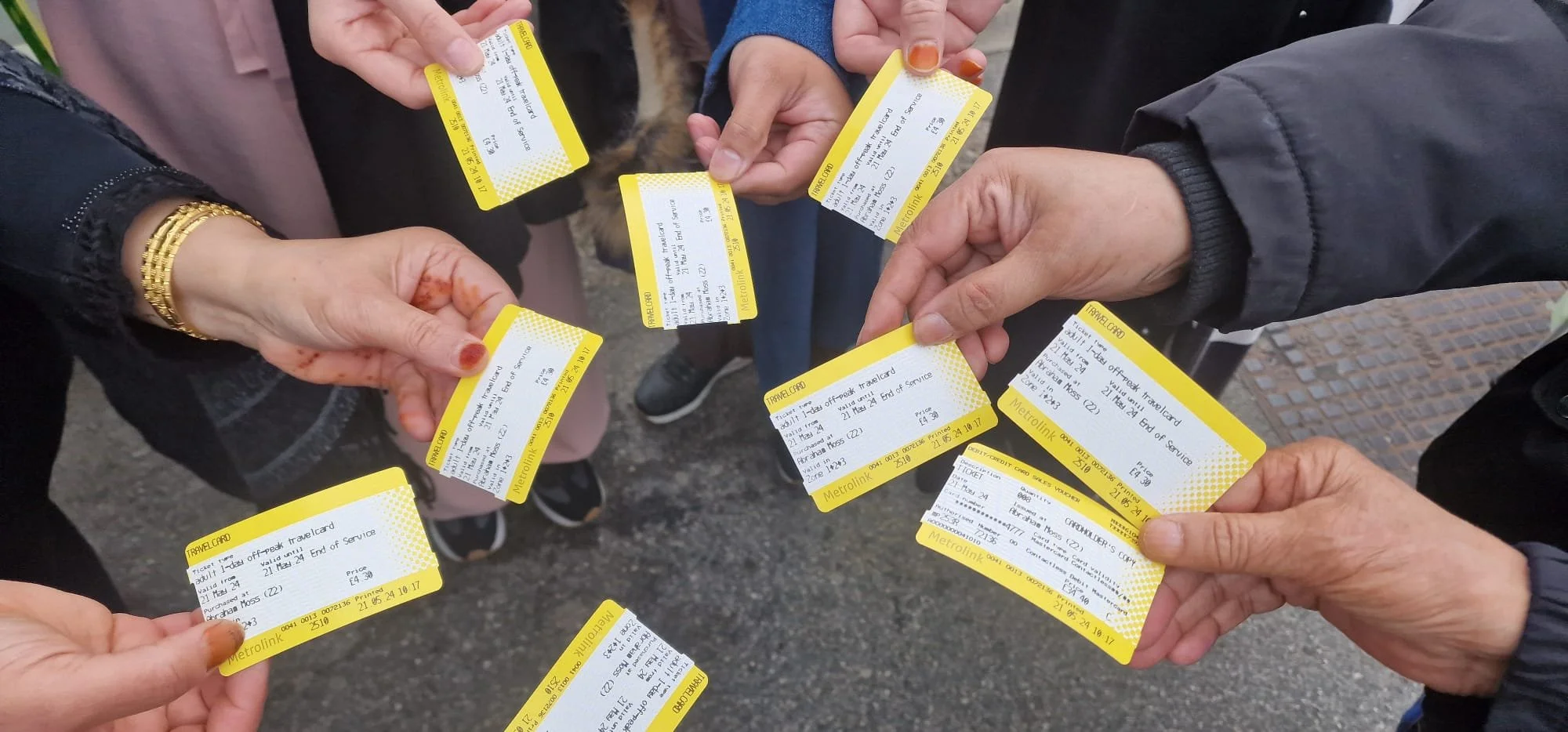
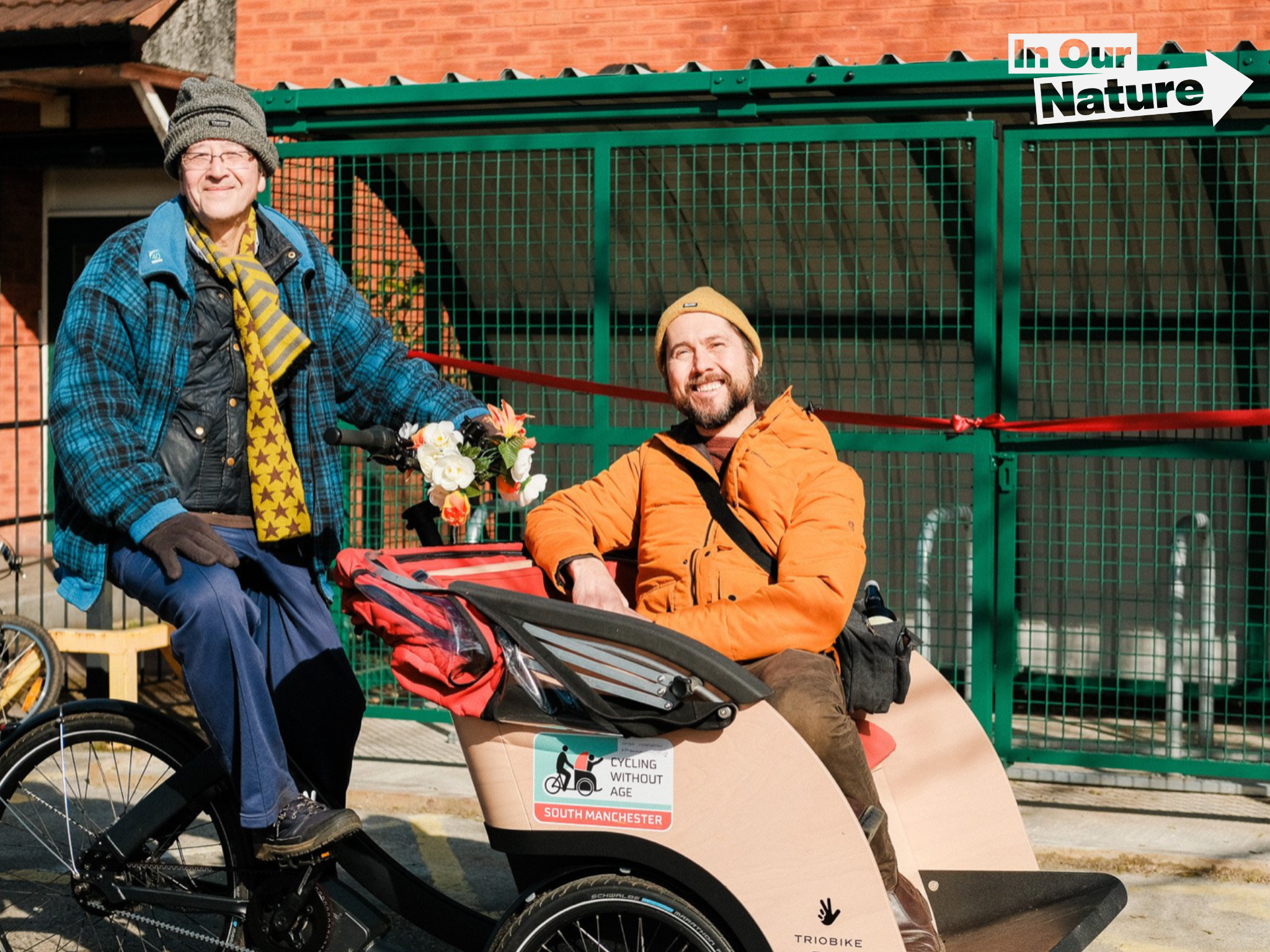
In May 2024 we met with Naz Khan to see how we could get more people in North Manchester feeling confident on two wheels.
Flavours from Manchester’s Go Green project have been supporting ladies in north Manchester to start exploring the city by bus and tram. Here’s what some of the people involved had to say.
As part of our first round of Community Support projects, Flavours From Manchester organised weekly public transport journeys throughout the summer to attractions and sites across Manchester.
Get inspired:
Founded in 2018, Zedify’s mission was to bring about real change to the UK’s cities by reducing traffic congestion and drastically rethinking the ways that urban deliveries are made.
Located directly over the Fallowfield Loop, Station South has become a dynamic hub for all things cycling, featuring a community café & kitchen, bike repair workshop and urban garden.
Explore some other resources to help you travel cleaner and greener:
Leave the car at home with Bee Network’s journey planner: Plan a journey | Bee Network | Powered by TfGM
Access cycling and maintenance courses with Transport for Greater Manchester: Cycling skills and bike maintenance courses | TfGM Bee Active
Download Manchester’s cycle map: Cycling district maps | Bee Network | Powered by TfGM
Prepare to lead your own cycling sessions by taking a ride leader training course with Transport for Greater Manchester: Upcoming Courses
The things we buy and throw away
You may have heard of the 3 R's, and no we're not speaking pirate; we're talking reduce, reuse, recycle.
You may have heard of the 3 R's, and no we're not speaking pirate; we're talking reduce, reuse, recycle. It turns out that Manchester is doing it right. This year, we managed to slim our waste lines by over 74,000 tonnes (Greater Manchester Combined Authority, 2023), the equivalent of over 1,500 trams!
Reducing the amount we waste means that more of our stuff is lasting us longer and then being given a second life at recycling centres when we’re done with it.
Besides separating out the rubbish that can be recycled or composted instead of going to landfill, there’s a lot of potential to avoid unnecessary waste altogether when we take great care of the things we own.
Switching to a reusable coffee cup (to stack up discounts at local cafés instead of single-use disposables), tapping into slow fashion to repair or restyle the clothes in our wardrobes before buying new (the guaranteed best deal you’ll find), fixing old furniture and donating our old devices to fight e-waste and inequality in access – all these positive actions help us to get the most out of the things we buy and do our bit for the planet.
A big bonus? When it comes to reducing waste, most of the actions we take will actually put money back in our pockets for more useful things: in 2021 almost half of us in the UK bought new clothes once a month, spending £133.06 on average (WRAP). That’s just under £1600 a year you could save or spend on a staycation or two instead!
Check out these simple tips for making your stuff go further

When it comes to giving your wardrobe and your home a new lease of life, there’s so many ways to incorporate natural materials!
Make student life a breeze! Explore our guide to get the best from Manchester, from travelling around the city, finding vintage gems, saving money on your bills and eating out with your pals - we’ve got you covered.
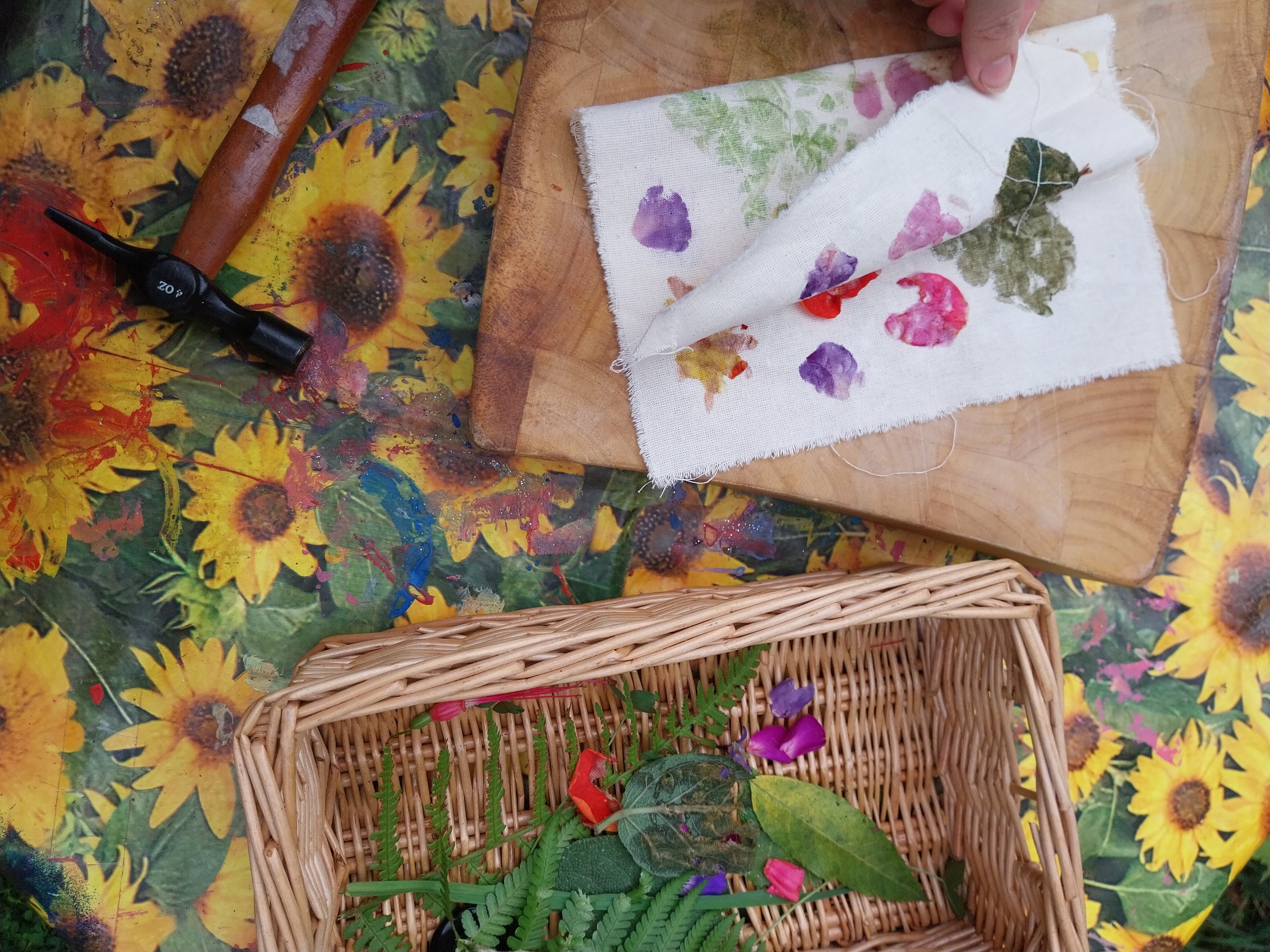
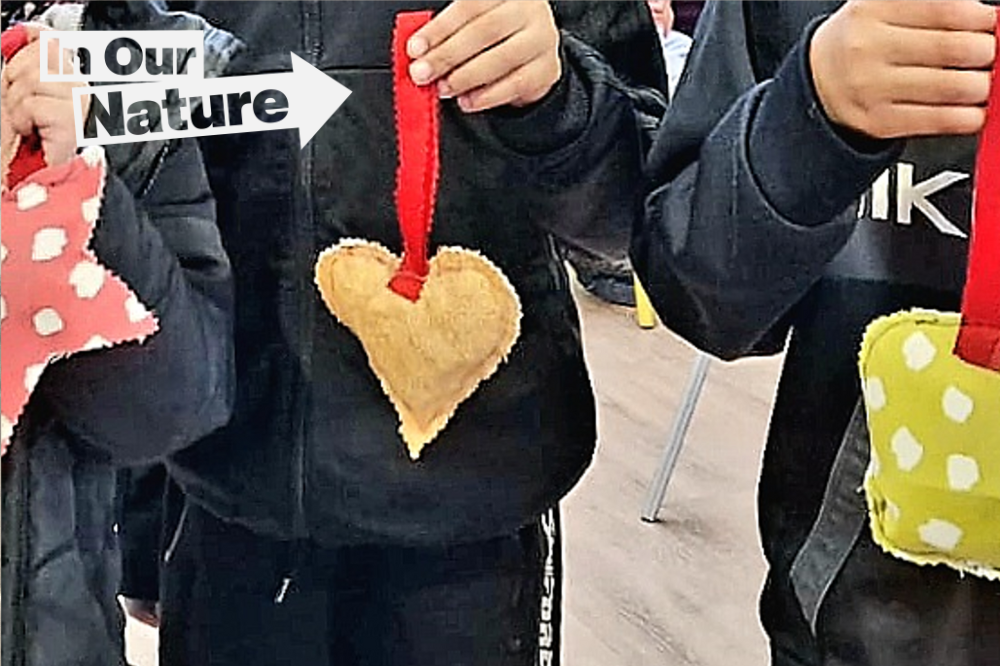
In Our Nature is all about thinking outside the box when it comes to protecting our planet. Whether you have clothes you’ve grown out of, want to give a new lease of life to, or you have some scrap materials you’d like to make use of, there’s so many ways to reduce, reuse and upcycle!
Toys are great for keeping our pets entertained, but a lot of the time they can be quite expensive or quickly end up in the bin (especially if your dog is the chewy type…)
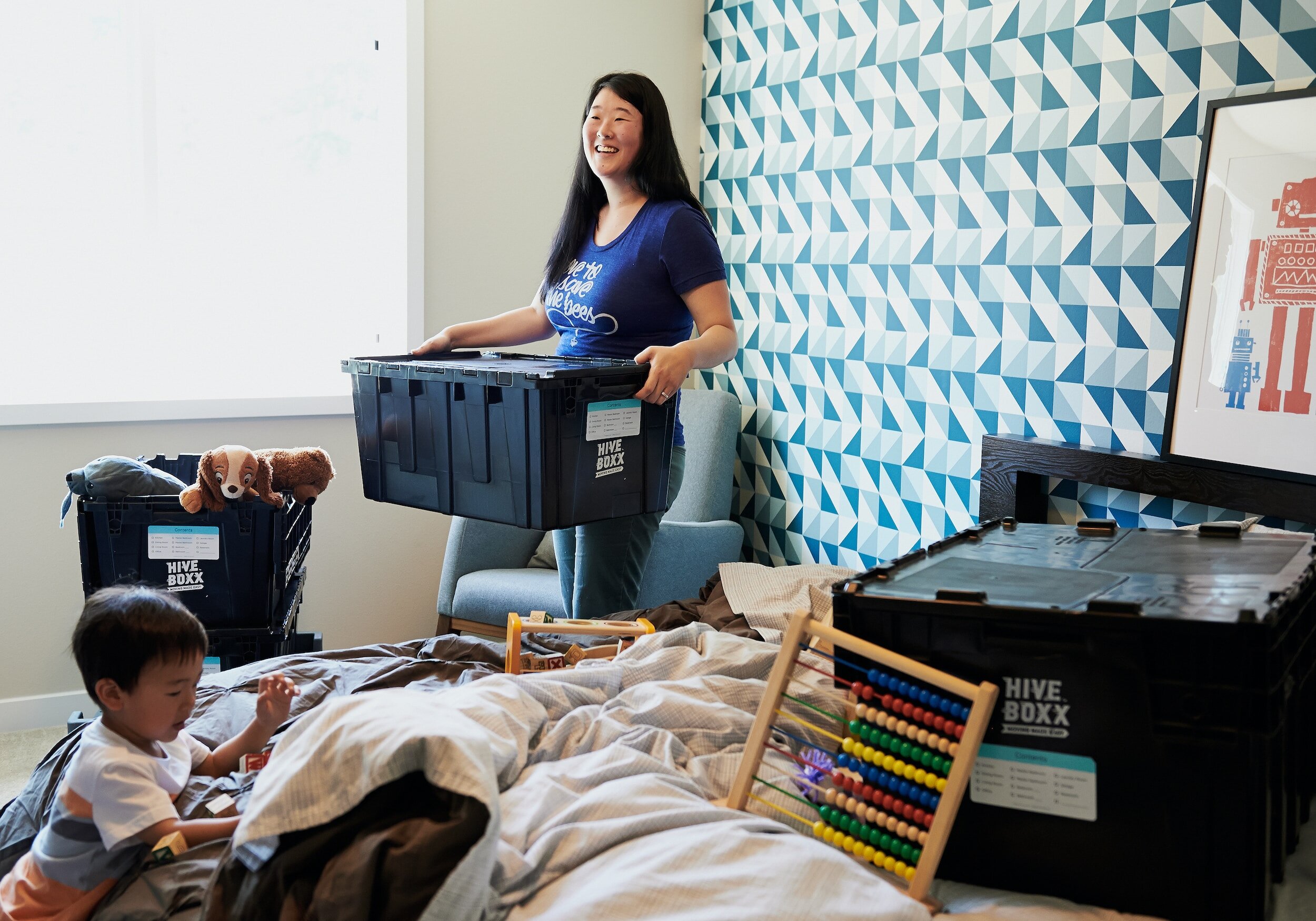
It's the end of the year, and although you might be looking forward to festivals and holidays, it’s time to pack up and move out for summer.
To help you move out with more memories, and less stuff, we’ve packed up some top tips to make moving a little savvier and more sustainable.
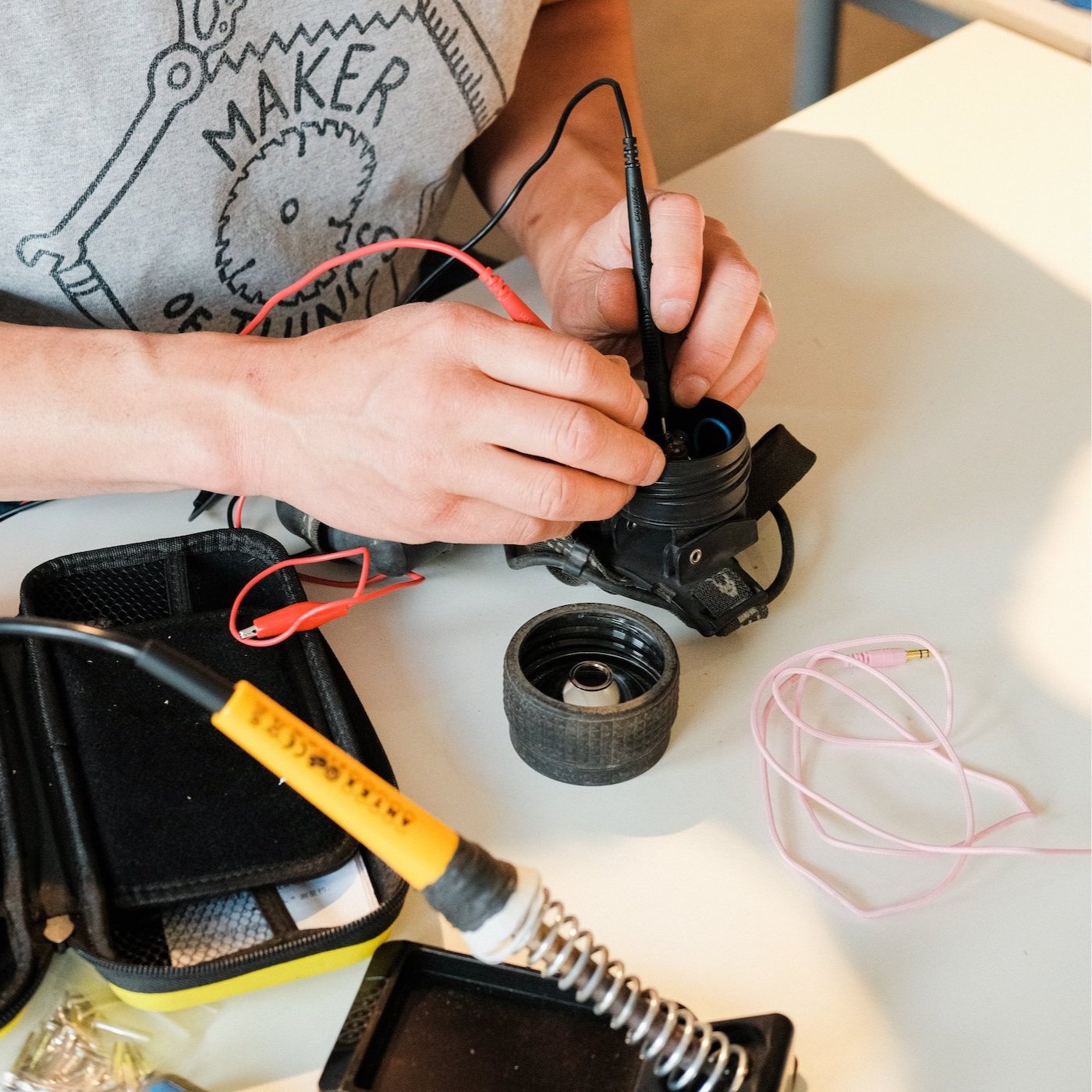
Did you know there are 8 Repair Cafes across Manchester? These little hubs are dotted across the City and they’re powered by expert volunteers who’ll attempt to tackle any repair job – big or small.
Check out this guide for tips about what you can do with your old stuff, whether it’s by repairing, recycling, or donating.
Ever thought about growing your own mushrooms at home? Check out our video guide with Norton from Fungall about how to grow mushrooms using mycelium and household waste!
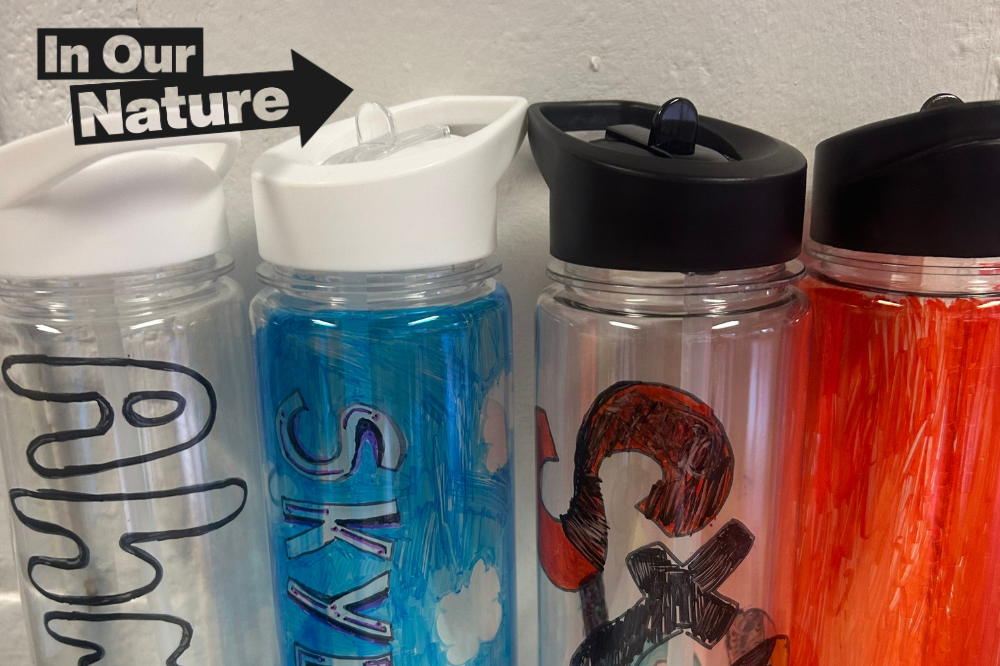
With the help of In Our Nature Community Support, Manchester Pupil Referral Unit were able to eliminate single-use plastic water bottles from their school, saving 440 bottles from heading to waste each week!
Manchester’s caught the running bug! More and more of us are picking up running and jogging, which is a brilliant (and free!) way to keep fit, improve our mental health, and spend more time outdoors.
It’s no surprise that we are a nation of pet lovers, with over half of our houses in the UK being home to at least one furry friend. But did you know our pets also have a carbon footprint?
Ever thought about using wardrobe leftovers to spruce up your space? There are actually lots of quick and simple ways we can upcycle our unwanted, old, or damaged clothes and fabrics to save them from going in the bin.
Here are some tips for how to avoid impulse and unnecessary buys and get the most out of the buying bonanza.
In a world fascinated by the glamour of fast fashion and seasonal trends, the true value of clothing often gets lost in the constant revolution of styles…
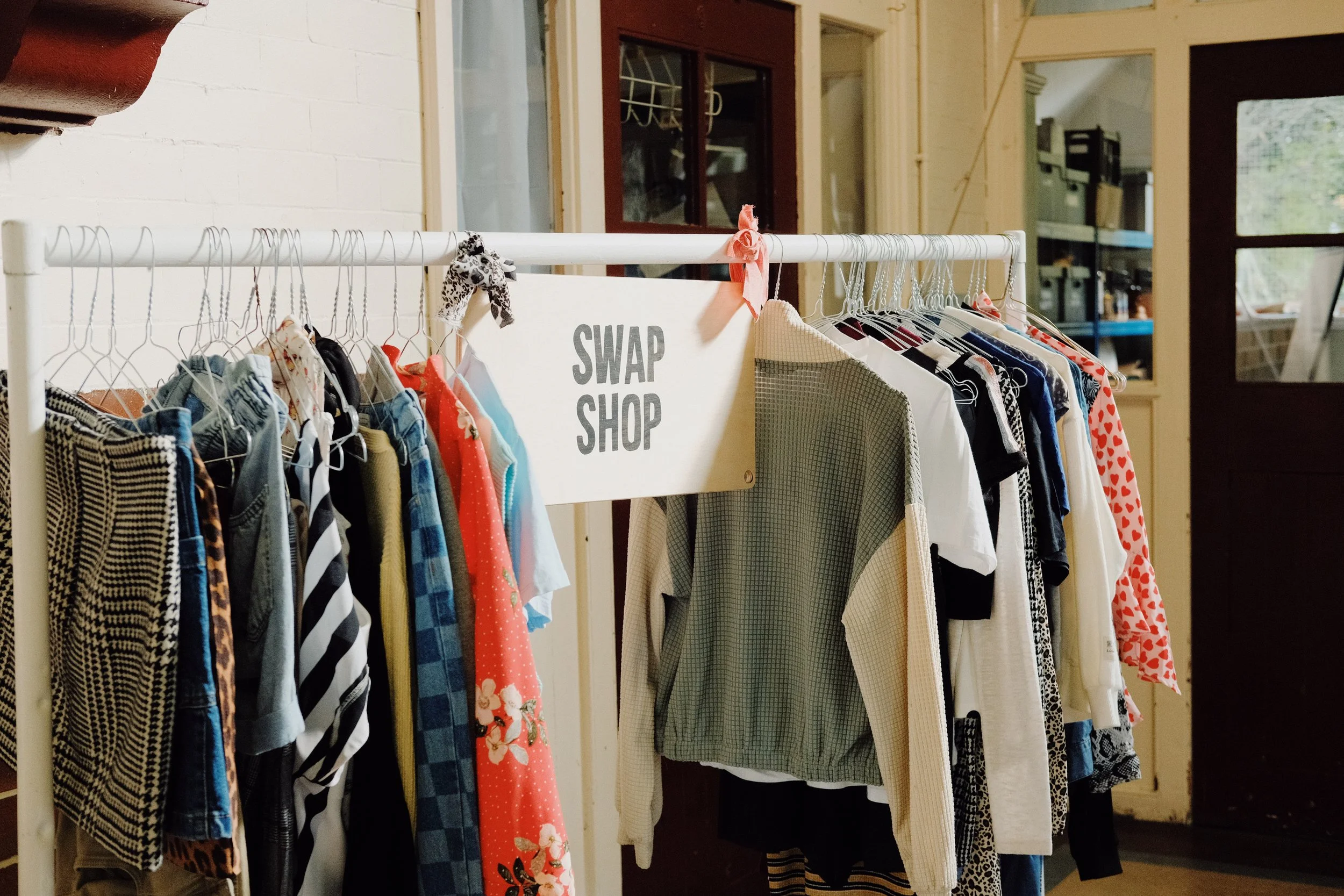
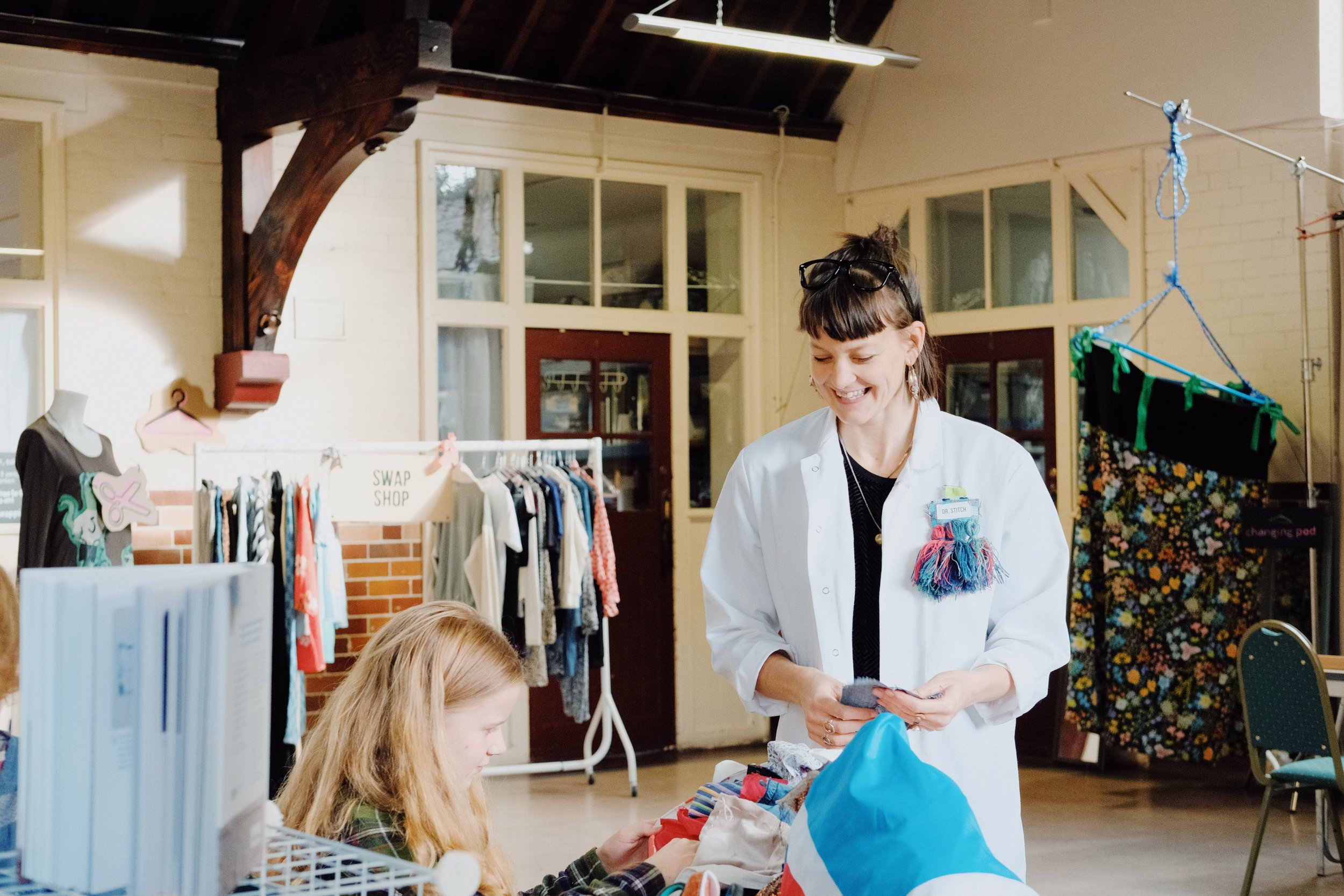
Want to support your local community, save money, and be more sustainable? Running a swap shop is the perfect way to achieve that and more.
These DIY natural cleaning methods use simple kitchen ingredients that can work wonders at removing tough stains and can be just as effective as the heavily packaged and pricey counterparts in the shops! So pop on your marigolds and give these DIY spring cleaning methods a try.
Have you ever thought about what you should do with your electrical items when they're broken, no longer needed or you've just got a shiny new upgrade?
Feeling the heat? Check out these tips to keep cool and take the heat off your wallet this summer.
Spring is the time when we think about having a good old clear out. But, decluttering is not exclusively a Spring thing…
Looking for ways to have fun, save money and try something new this festive season?
10 tips to wash clothes with sequins, glitter, beads and more
4 Ways you can Reduce the Climate Impact of your Clothes
Why are Clothes a Climate Issue? – with Stitched Up
Explore our projects linked to clothes and other things we buy:
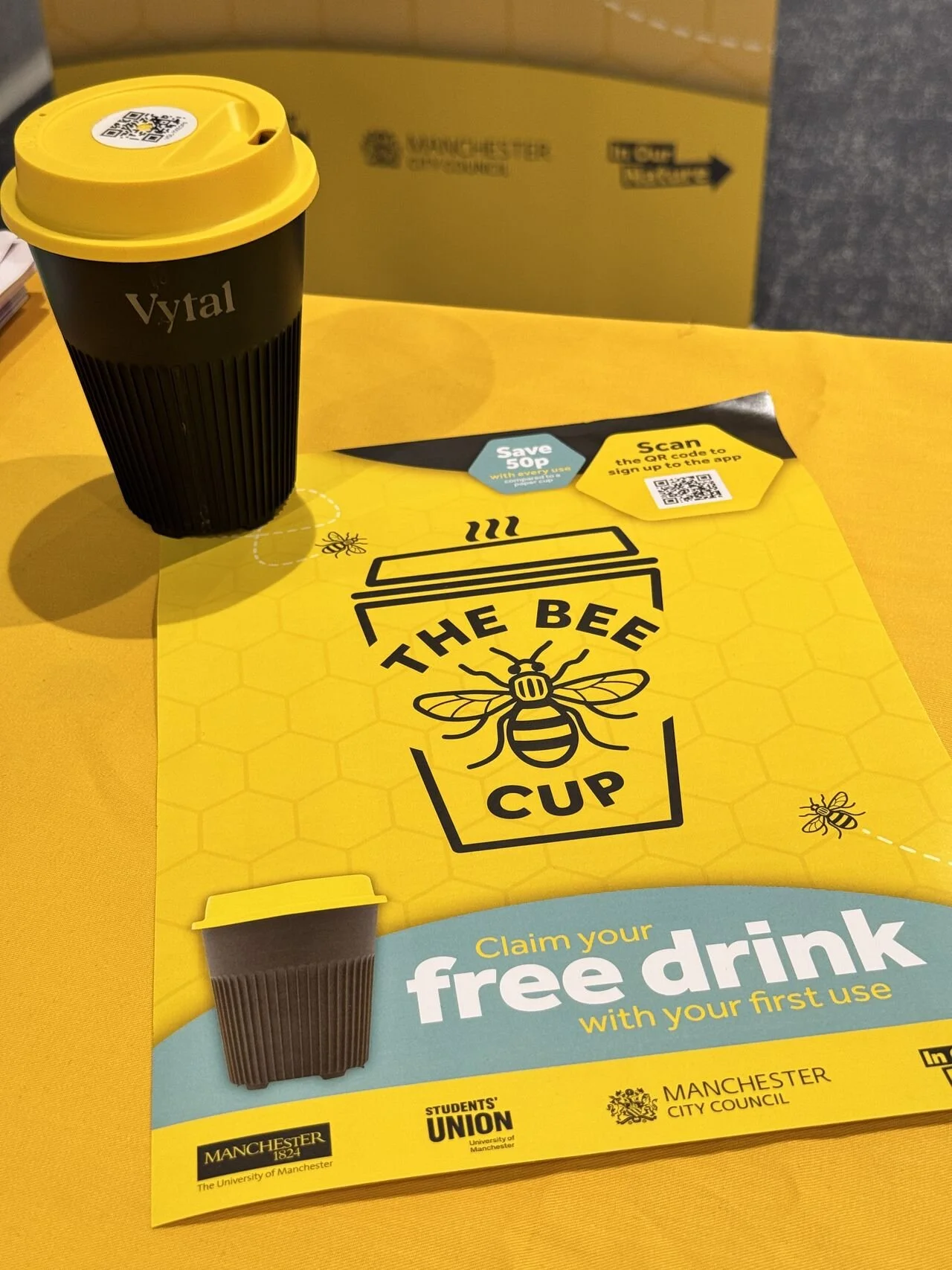
This summer In Our Nature teamed up with The University of Manchester to pilot a returnable cup scheme, here’s what we learnt along the way.
Through our Community Support initiative, we helped Dr Ghada Soliman from The University of Manchester to set up Sustainable Threads – a group for refugees and asylum seekers in Manchester to learn and share clothing repair and upcycling skills.
NEPHRA Good Neighbours teamed up with In Our Nature through our Community Support initiative to include the older generation in the conversation around climate change by enabling them to recycle a common item that was previously being sent to landfill – their pill packets.
In July 2023, In Our Nature in partnership with Stitched Up delivered a series of sewing workshops for the community of Cheetham Hill. Here’s the insights, stories, and impact of the sessions threaded together to spark some curiosity.
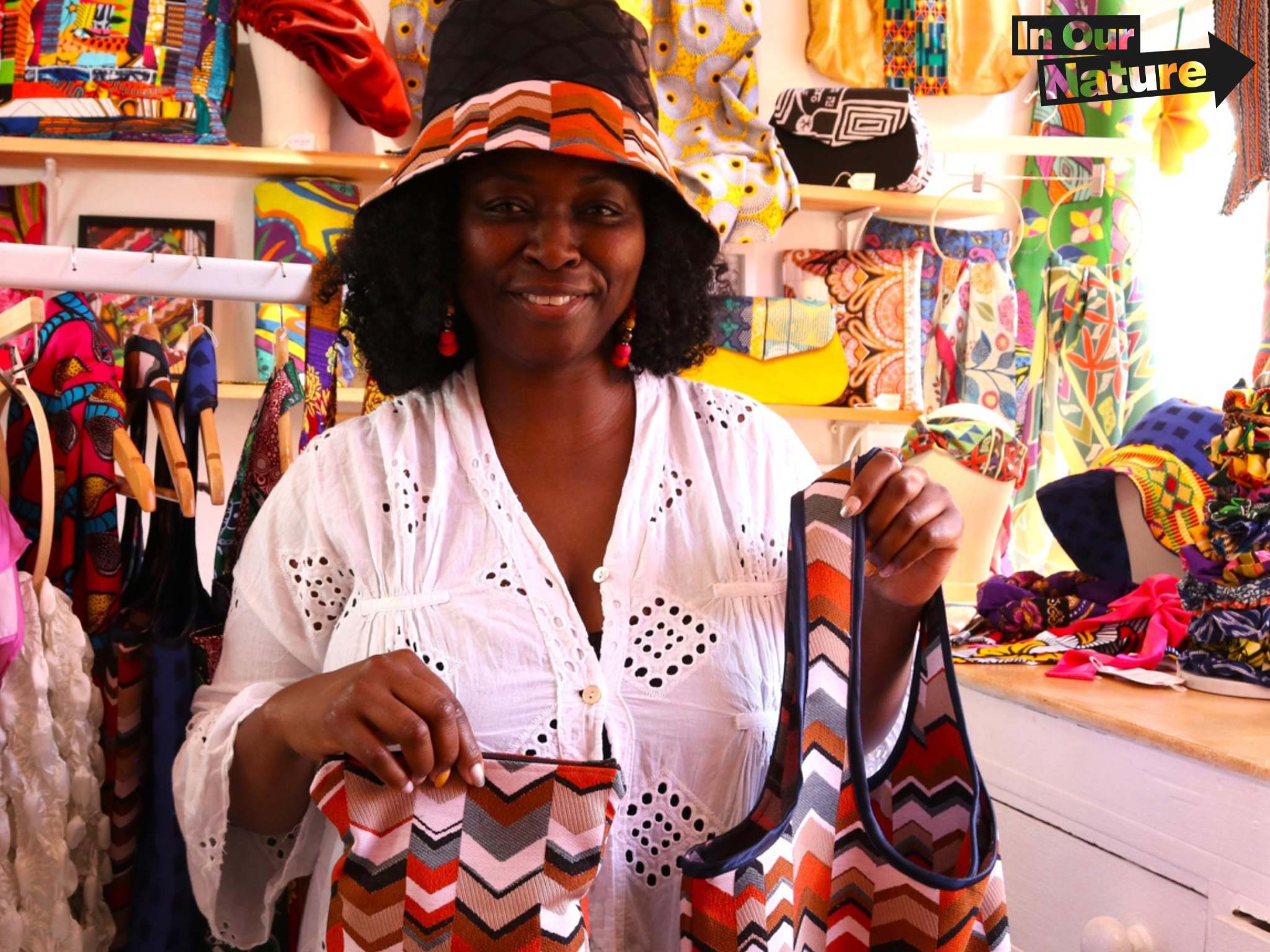
Recently, we’ve been working with Valery Touchet from VT Creation to support her free sustainable fashion workshops, running at Gorton Central.
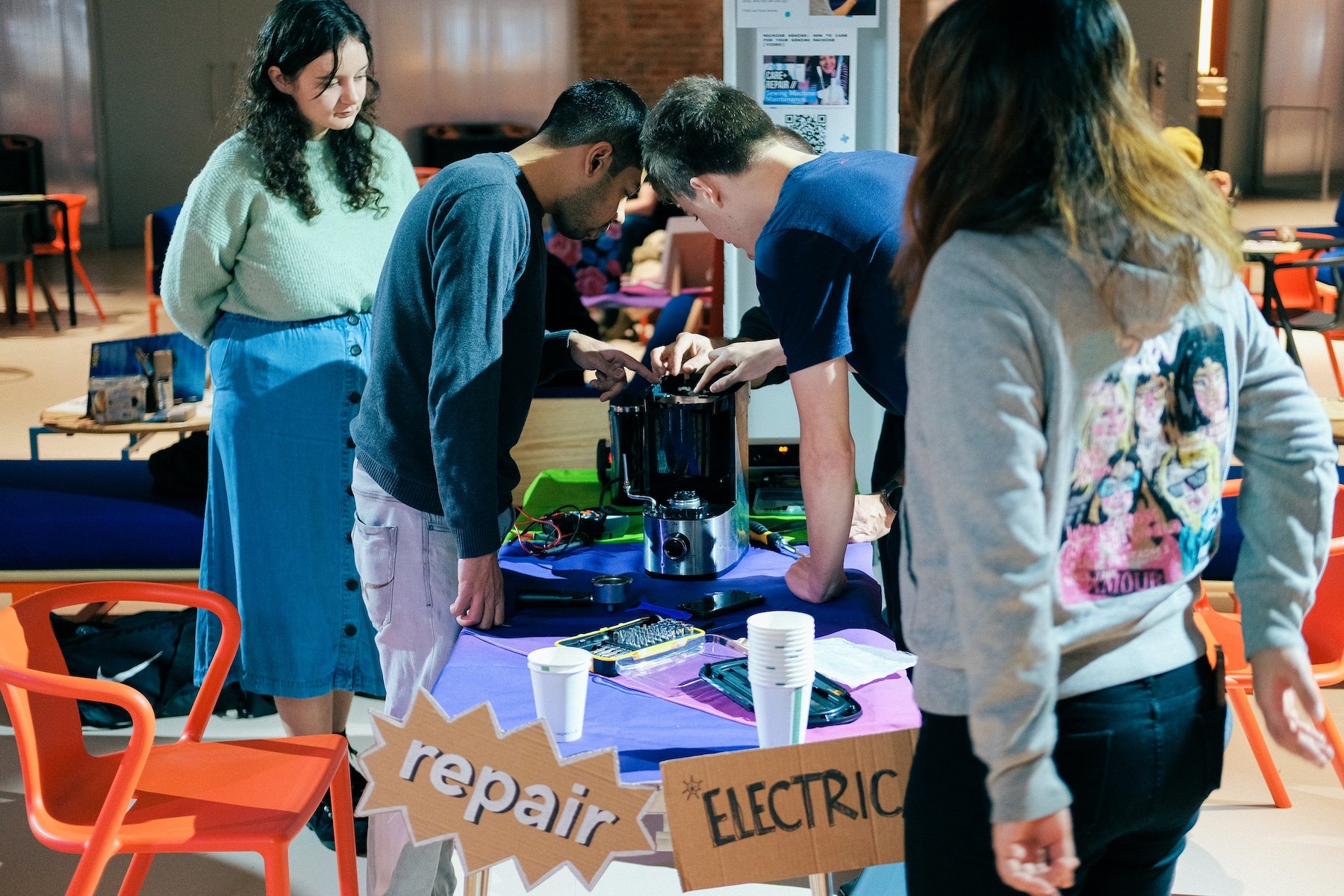
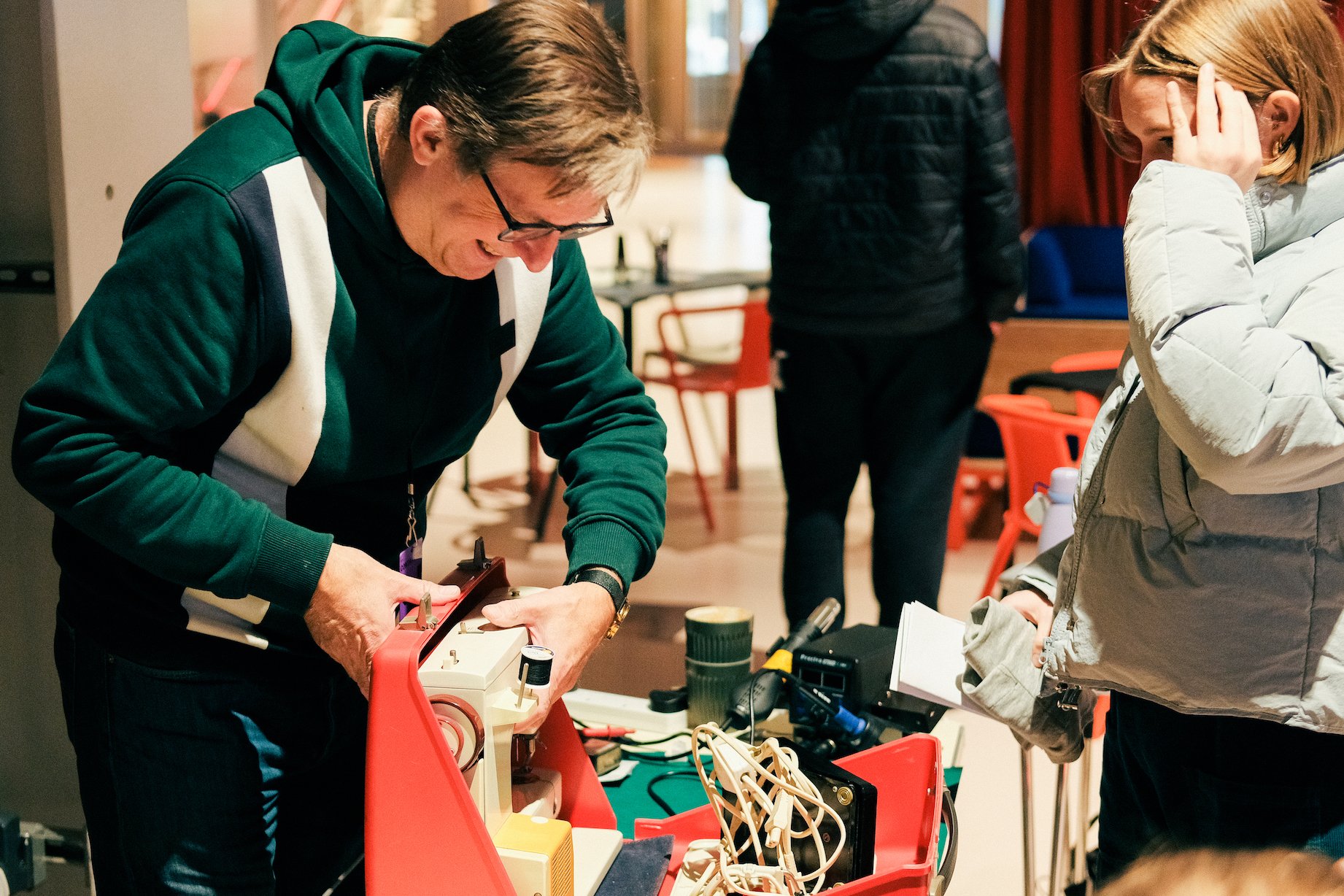
Repair cafe's UNITE! Our broken and unwanted electronics were piling up, but with the help of four fantastic local repair café's, Factory International sparked some fresh ideas for a new waste-free reality…
Get inspired with some Stories We Love:
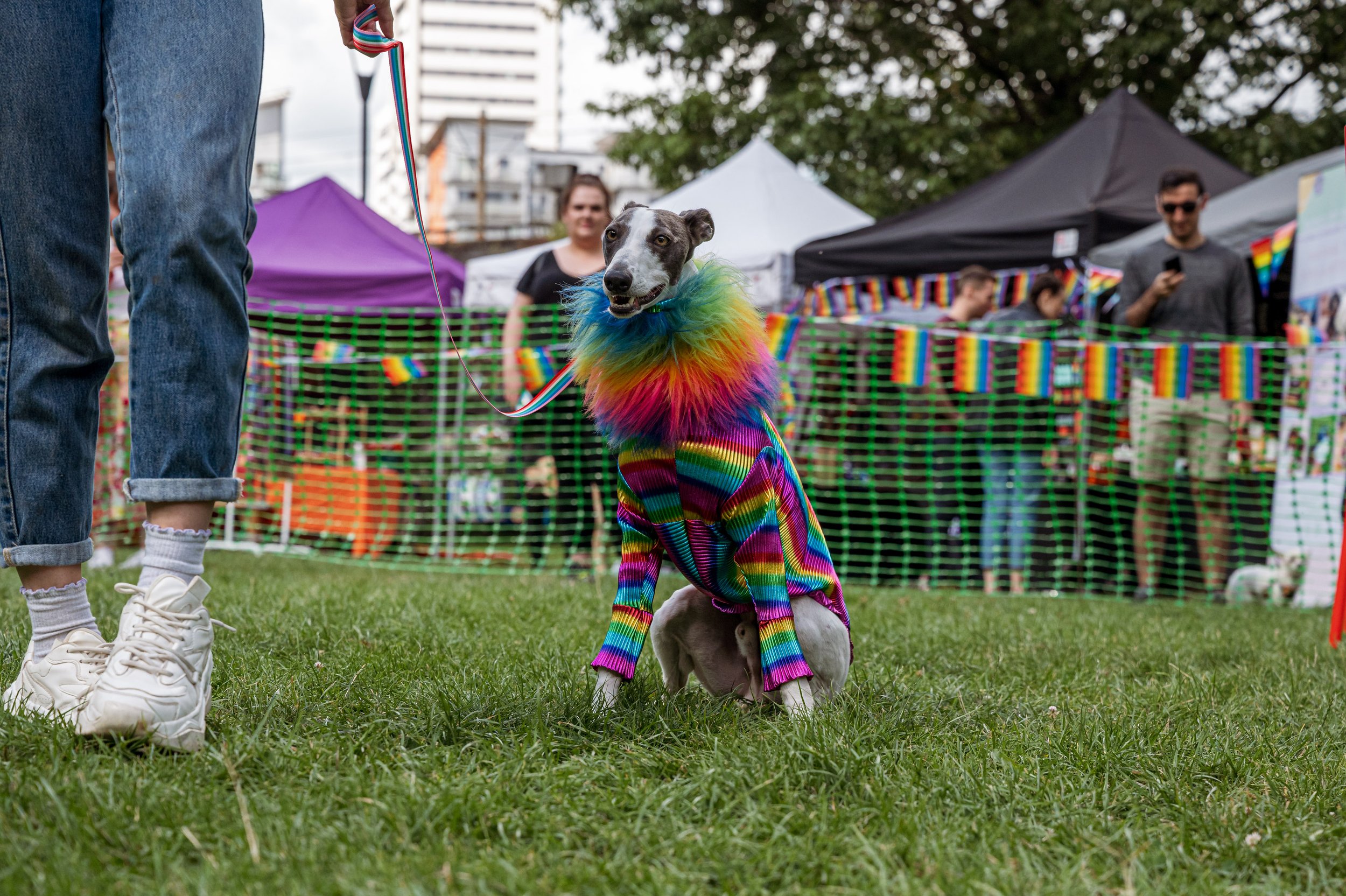
This one’s for the dog lovers! Ex-Paw are a dog community based in the centre of Manchester who run events and activities for dog owners, as well as offering doggy care advice and help to provide access to dog friendly spaces.
Future Fashion Fair, originally based in Cheetham Hill, are a group who’ve made it their mission to make sustainable fashion affordable and accessible to everyone in Manchester.
Based in Withington, South Manchester, owners Carl and Paulina have dedicated their time to creating a shopping experience centred around all things sustainability, from refillable containers to locally sourced food.
Have you ever wondered what pensions, banks, and finance have to do with fossil fuels and climate change? Well, there are a lot more links than you might think…
Located at the centre of Manchester Metropolitan University's bustling campus, and right next door to Manchester Academy on Oxford Road, you can find Want Not Waste - a student-led, zero waste shop offering all sorts of sustainable goodies. We caught up with Alex, one of the shop's volunteers, to chat about the value of zero waste stores and how students can channel their energy in a meaningful way...
Discover our in depth toolkits and guides:
Our school uniform guide
Find out how you can make your children’s school uniform last longer.
Explore some other resources to help you make the most of your stuff:
Nature and growing
And, breathe! Did you know that spending just a small amount of time in nature is linked to lots of benefits for our physical and mental health?
By doing a bit of gardening, or stepping out into a local park for a lunch-time stroll, we can help to reduce our blood pressure and stress, and lower our risk of developing any cardiovascular or respiratory issues.
Getting outdoors amongst plants and wildlife is a great way to unplug from our busy lifestyles and reconnect with the world around us. You could even say that enjoying time outside helps us get more in touch with what’s going on inside (your inner nature).
In Greater Manchester for example, improving the green space along Bridgewater Canal (check it out if you’re close by!) encouraged residents to walk more and have more social interactions, so having access to shared green spaces can help foster community too.
Even if your area isn’t the greenest of places, some small changes to your day-to-day activities can make a big difference when it comes to taking more notice of the environment: whether it’s spending an afternoon in one of Manchester’s 30 parks (picnic anyone?), switching to a more scenic cycle route, or learning how to grow at home, we’ve got a bunch of tips to help make your home and the city greener and wilder.
As well as making us feel good and saving us money (think lower energy use when you swap a short car ride for a walk or having fresh veg from your garden over store-bought), protecting our green spaces can help reduce the effects of climate change by keeping our cities cooler, improving air quality and reducing the risk of flash flooding.
Ready to turn over a new leaf and make a lasting impact? Check out these pages to learn how:
Discover our projects linked to nature and growing:
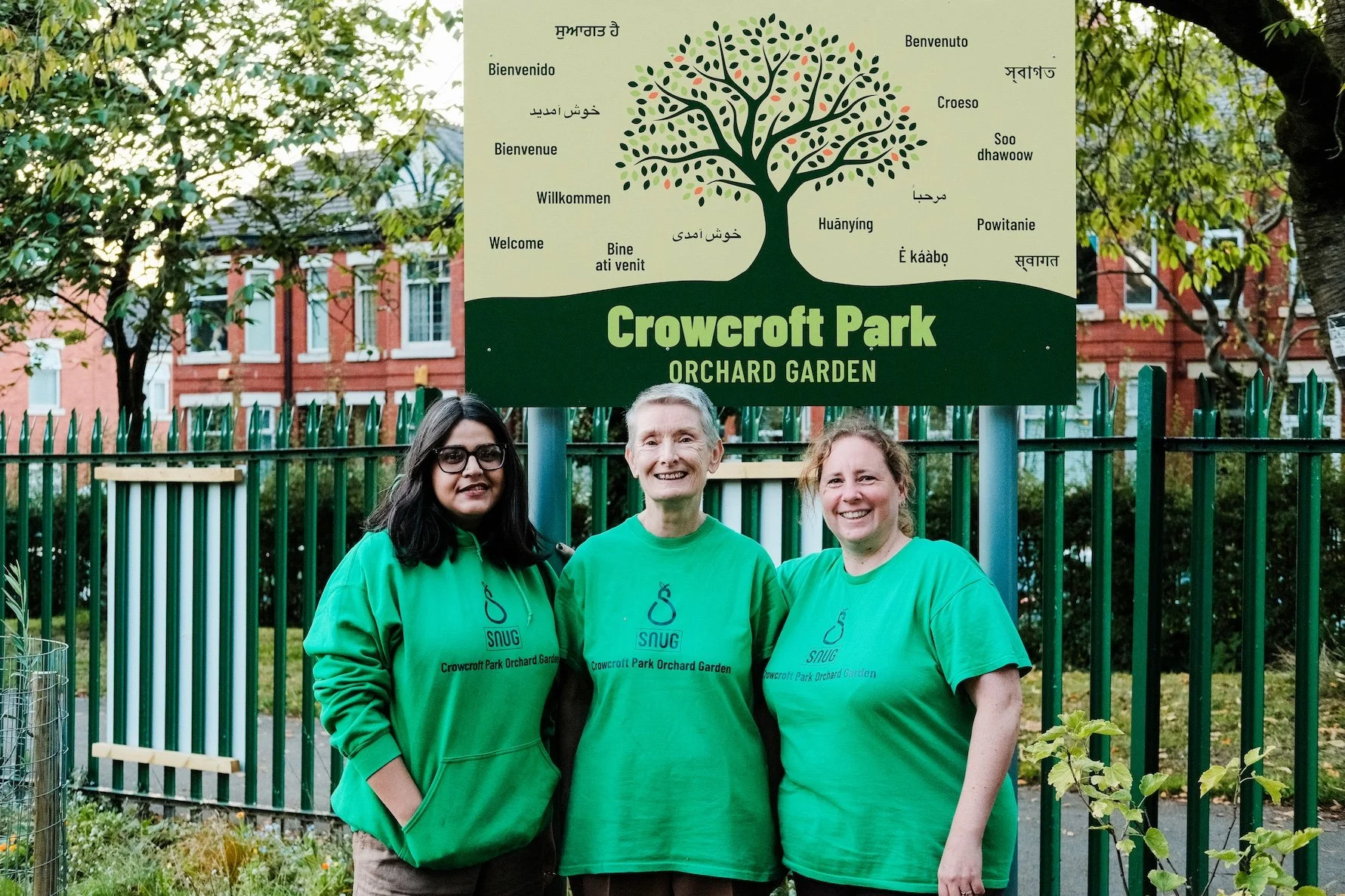
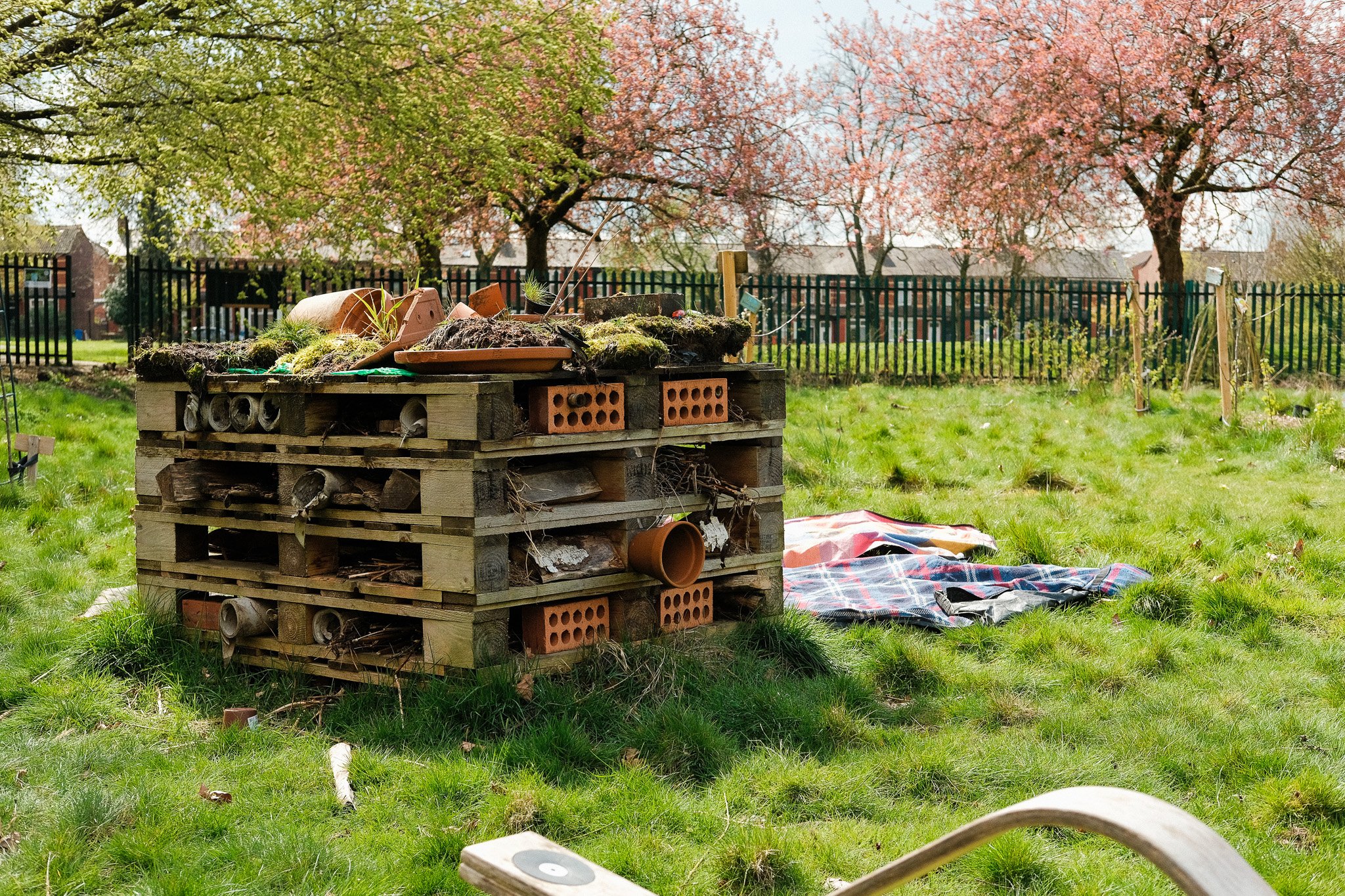
Building on our research that connecting to nature can help facilitate climate action, we teamed up with SNUG, a community orchard in Crowcroft Park to help connect residents with nature.
We all know data is key these days, whether you’re asking questions for yourself or measuring a project for a funder. But often not everyone speaks the same language, and that can make things tricky!
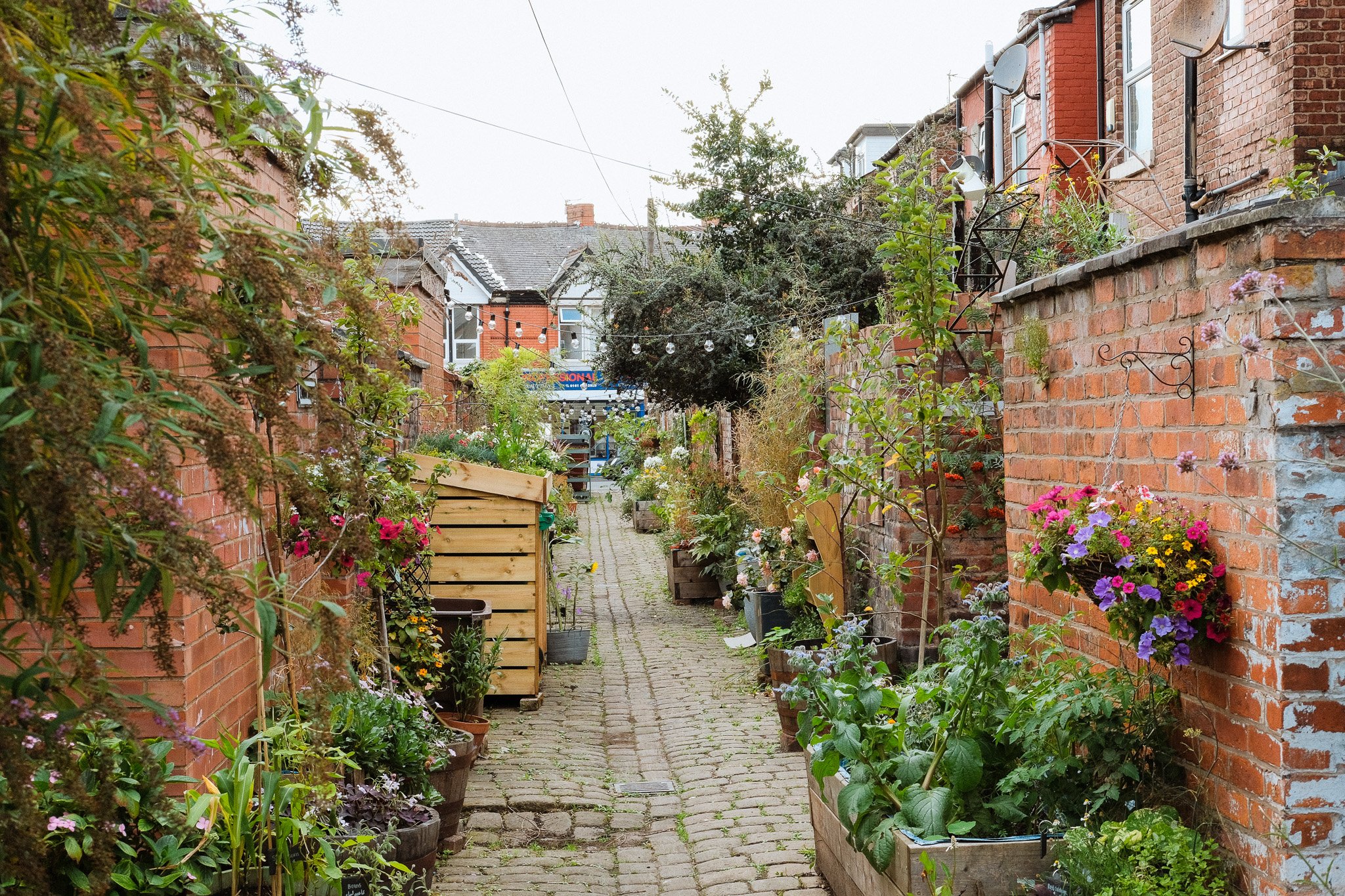
In January 2024, In Our Nature started working with local residents to help them build skills, come together and help make their alleyway more climate resilient and an all-round nicer place to be!
Across Manchester, many people are unable to access and enjoy their local green spaces. One of the biggest groups affected by this is older residents and those with mobility issues, who may struggle to maintain overgrown areas. In these situations, local friends’ groups can be key for helping communities to secure funding, host volunteer days and make green spaces accessible for everyone!
Everyone deserves to have a community space to visit, whether it’s for socialising and meeting like-minded people, or simply having somewhere to escape the hustle and bustle of everyday life. As part of In Our Nature, we wanted to give community groups the guidance and resources to make their spaces easier to access for the local community.
Many young people want to contribute to climate action and greening their local area, but simply don’t have the knowledge, support or tools to make it happen. In Our Nature are on a mission to make climate action accessible and achievable for young people of all ages and abilities!
Get inspired:
This wonderfully diverse growing space has been quietly tucked away in Collyhurst at the Caritas Lalley Centre since Groundwork helped to develop the site back in 2016.
Where does our food come from and why is locally grown food important? The Kindling Trust are making it their mission to answer this question by making locally grown produce more accessible than ever and finding inventive ways to get people growing.
When you start out growing your own plants you never know where the journey will take you, and that’s definitely the case for Claire from SNUG! Hear about Claire’s project, the benefits and challenges she’s experienced and how you can get involved…
This group based in Trafford and South Manchester have been hard at work for years trying to protect and improve Manchester’s vital green spaces.
Gary started the Clean & Green Castlefield group during the pandemic after wanting to tidy up litter in the local area. From there, and with the help of Castlefield Forum, the group has now grown into a fully-fledged eco-squad with lots of enthusiasm from the local community.
Green Fingered George - or, just George for short - is a 17 year old nature lover, gardening whizz, birdwatcher, and RSPB young ambassador
Ardwick Climate Action are a community group based one mile south-east of Manchester’s city centre in – you guessed it – Ardwick!
Frank has been growing his own food since he was 12 years old. When he moved to Manchester from Jamaica he took up an allotment plot in Moss Side and he has now been there for over 30 years.
On the lookout for a new, relaxing green space in Manchester that helps tackle the effects of climate change? You’re in luck! 🌼
Want to grow to the next level? Dive in to our nature toolkit:
Want to get a community nature project up and running? Learn from the best about how to get started.
Interested to learn more? Check out these other resources:
Home Grown Guide: how to grow 6 easy vegetables (Sow the City)
Fruit and vegetable planting calendar (Sow the City)
Growing Manchester Webinars (Sow the City)
We’re here to myth-bust best before and use-by dates.