Food
Did you know that between 2021 and 2022, wasted food cost families around £80 per month? That’s £960 a year (WRAP)! In the UK, 60% of our food waste comes from our households which is hard to swallow, but don’t worry – a few simple switches to our daily habits can help keep more of our meals out of our bins and in our bellies (where they should be!)
Making your food go further is often simpler than it sounds. Ever wondered how to make your avocado or salad leaves last just a bit longer? Or been unsure if something’s still okay to eat?
In the lead up to 2023, over 70% of us in the UK were already making changes to how we buy, store and manage food (WRAP). Making lots of small changes to how we think about food on can make a massive difference when cutting out food waste, helping both the planet and your pocket.
If all of that’s sounding like your cup of tea (or you’re ready to dig into a wider variety of actions), here’s our menu to help change your day-to-day habits:
Starters:
Shopping and cooking smarter (planning ahead and batch-cooking)
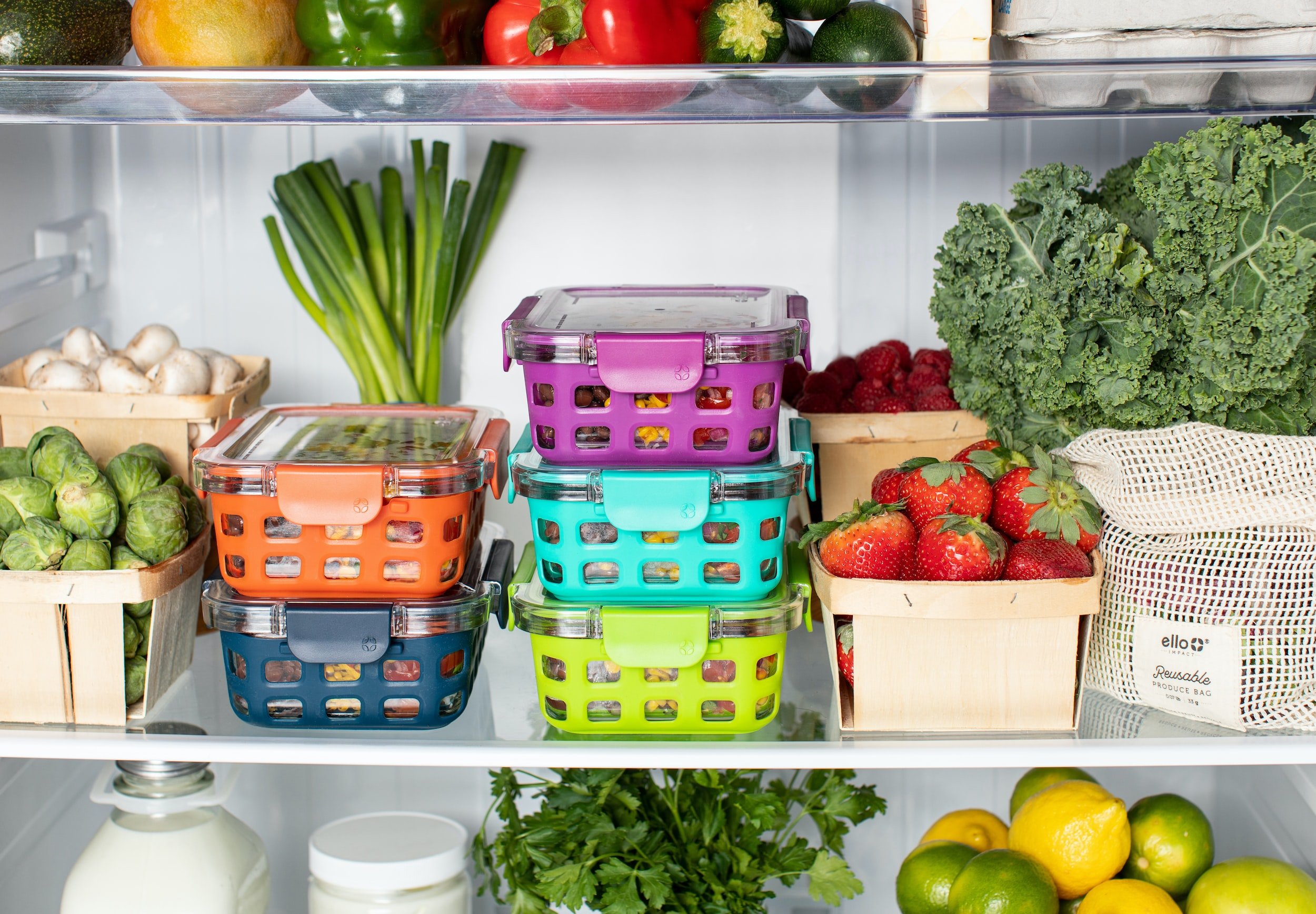
Storing food correctly (did you know frozen foods tend to be picked and frozen at peak ripeness, when they’re most nutritious?)
Growing your own food at home
Mains:
Adding more plants to your plate (to reduce the carbon footprint of meals and make them healthier)
Eating seasonal, local foods (fruit and veg are at their tastiest when they’re in season)
Desserts:
Donating surplus food to a Community Fridge (find one near you)
(Each of these come with a side of savings on money, time and effort in the kitchen, as well as the sweet satisfaction of making a lasting impact for the environment)
Ready to tuck in? Check out these tips to get started:
Enjoy a collection of some of our favourite sustainable recipes!
We teamed up with Woolfe Football Community CIC to support their goal of promoting sustainability and enhancing the athletic performance of their players.
Hungry to get your hands on some wild food? Mandem Meetup teamed up with us to encourage more people to connect with nature, reduce their food miles, share knowledge and have fun. Get foraging with The Mandem.
Learn how to build your very own at home wormery with this handy animated tutorial we created with Myco Manchester.
In the UK we eat around twice the global average of meat (UN FAO) and this comes with a massive environmental impact – animal farming is responsible for 14.5% of global emissions.
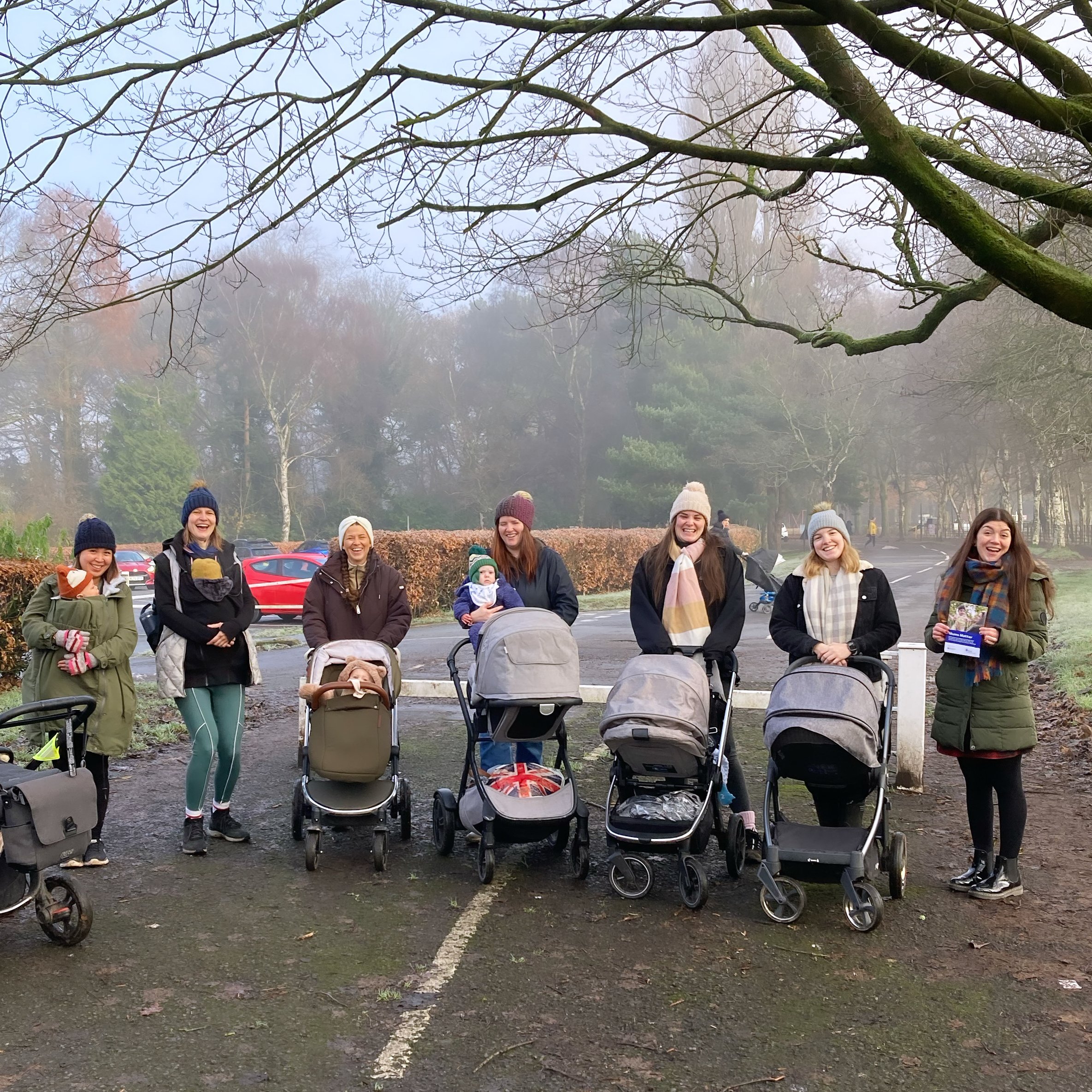
Tuck into some recipes that are good for your baby and the planet too!
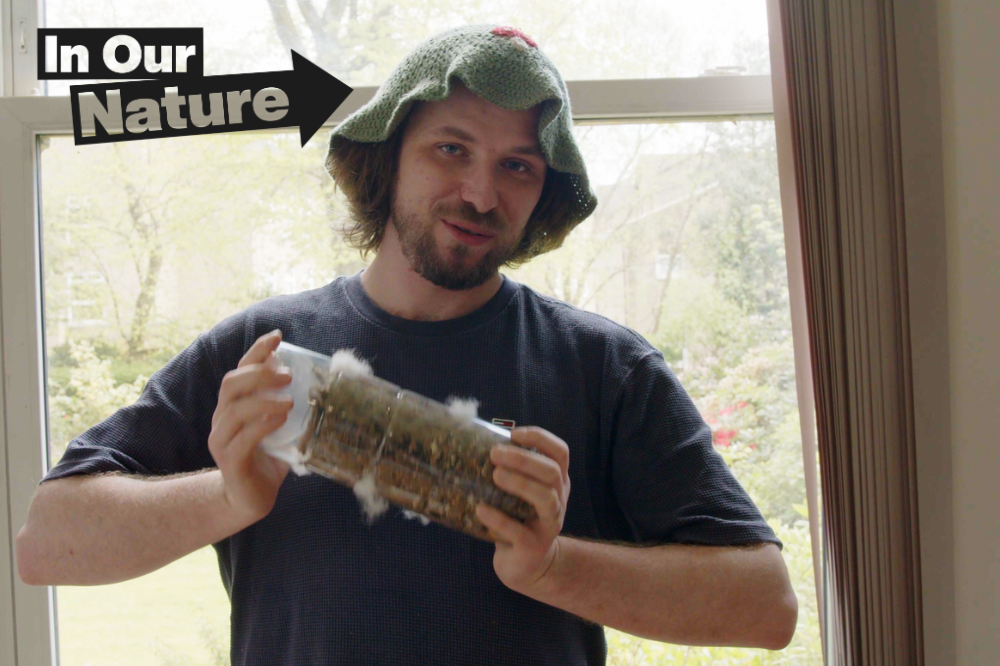
Ever thought about growing your own mushrooms at home? Check out our video guide with Norton from Fungall about how to grow mushrooms using mycelium and household waste!
A guide to S l o w Cooking: Slow cookers have had a lot of airtime in recent years, but are they worth the hype? We think so. As well as offering convenience, cost-effectiveness, and versatility, they also help minimise the washing up! What’s not to love?!
Whether you’re a dedicated vegan or a meatless Monday advocate, picking up more plants in your diet is beneficial for both our health and the planet!
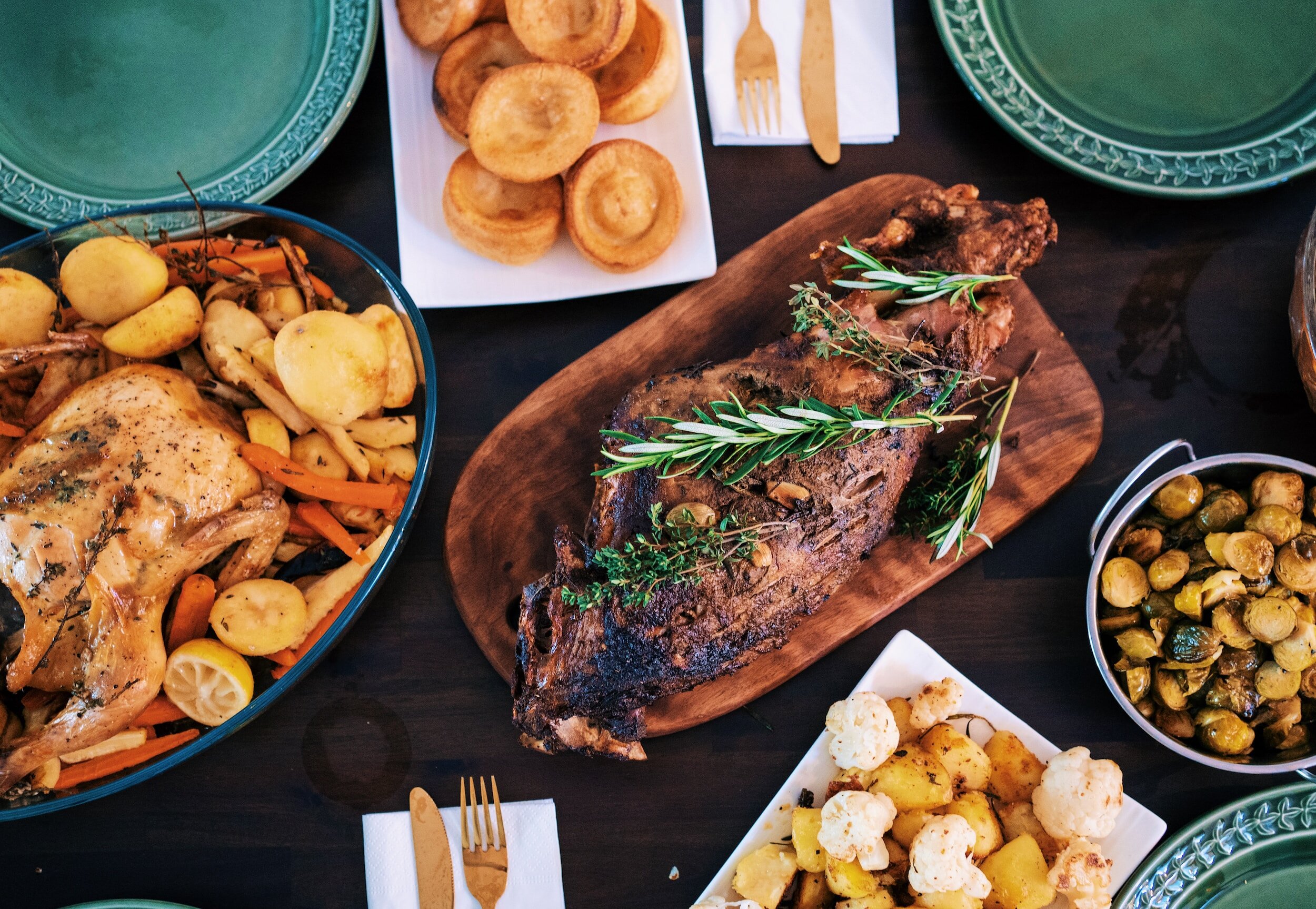
Food is a huge part of Christmas festivities, yet for many of us our eyes are bigger than our bellies with around 2 million turkeys and 74 million mince pies going to waste each year. Here are 5 ways to help save money on your food bill…
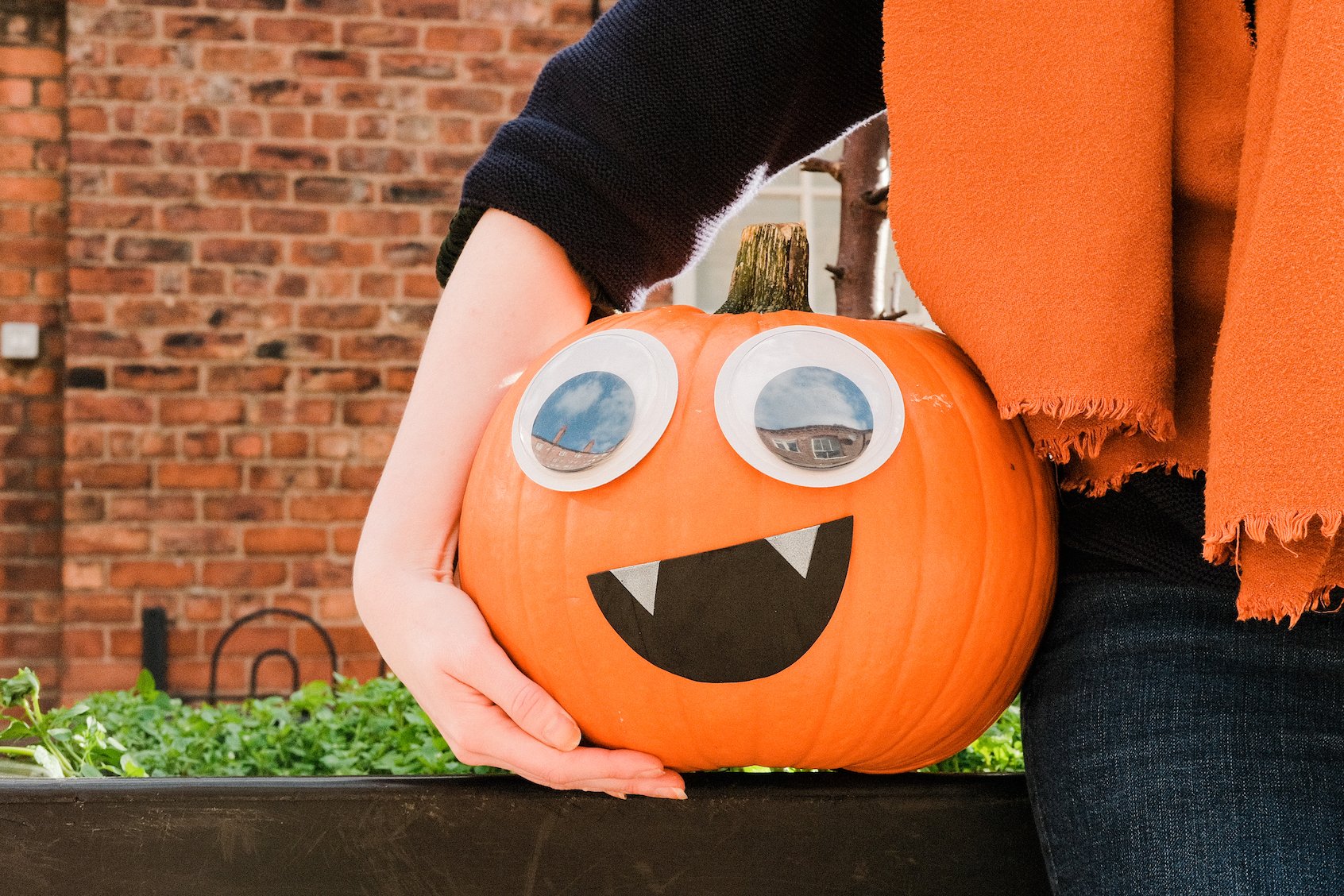
Decorating your pumpkin instead of carving means less mess, less waste, and your whole pumpkin will stay fresh until you’re ready to eat it – everything is edible except the stalk.
Looking for a scare this Halloween? Here goes: millions of pumpkins will be bought this Halloween and left uneaten, going to waste.
When it comes to taking climate action, thinking about where our food comes from and making more informed decisions about the kind of food we eat can make a huge difference to our carbon footprints.
We’ve put together this guide to having a plastic and litter-free picnic so you can enjoy the great outdoors with your friends and family, without worrying about litter blowing into nature.
Roughly, one third of all food produced globally is wasted. Using a freezer can help cut food waste and save money. But, which foods can you freeze? And how long can you keep something in the freezer for?
5 ways to reuse cooking oils outside of your kitchen…
Looking for ways to have fun, save money and try something new this festive season?
Explore our food related projects and campaigns:
We supported housing associations Mosscare St Vincents Housing and Southway Housing Trust to help tenants take action on climate change – by making the most of their communal spaces.
In partnership with Climate Outreach and the Centre for Accelerated Social Transformation (CAST), in summer 2023 In Our Nature delivered an online food challenge to support the people of Moston to cook tasty, healthy meals whilst saving money and helping the environment.
Many young people in Manchester want to make better choices for the planet, but don’t feel like they have the knowledge and tools to make changes for themselves and their loved ones. We’ve been giving them a helping hand by introducing them to more low carbon, low cost recipes!
In early 2024 we ran a 6 week long slow cooking course with Open Kitchen at the Northmoor Community Association in Longsight.
Food stories we love:
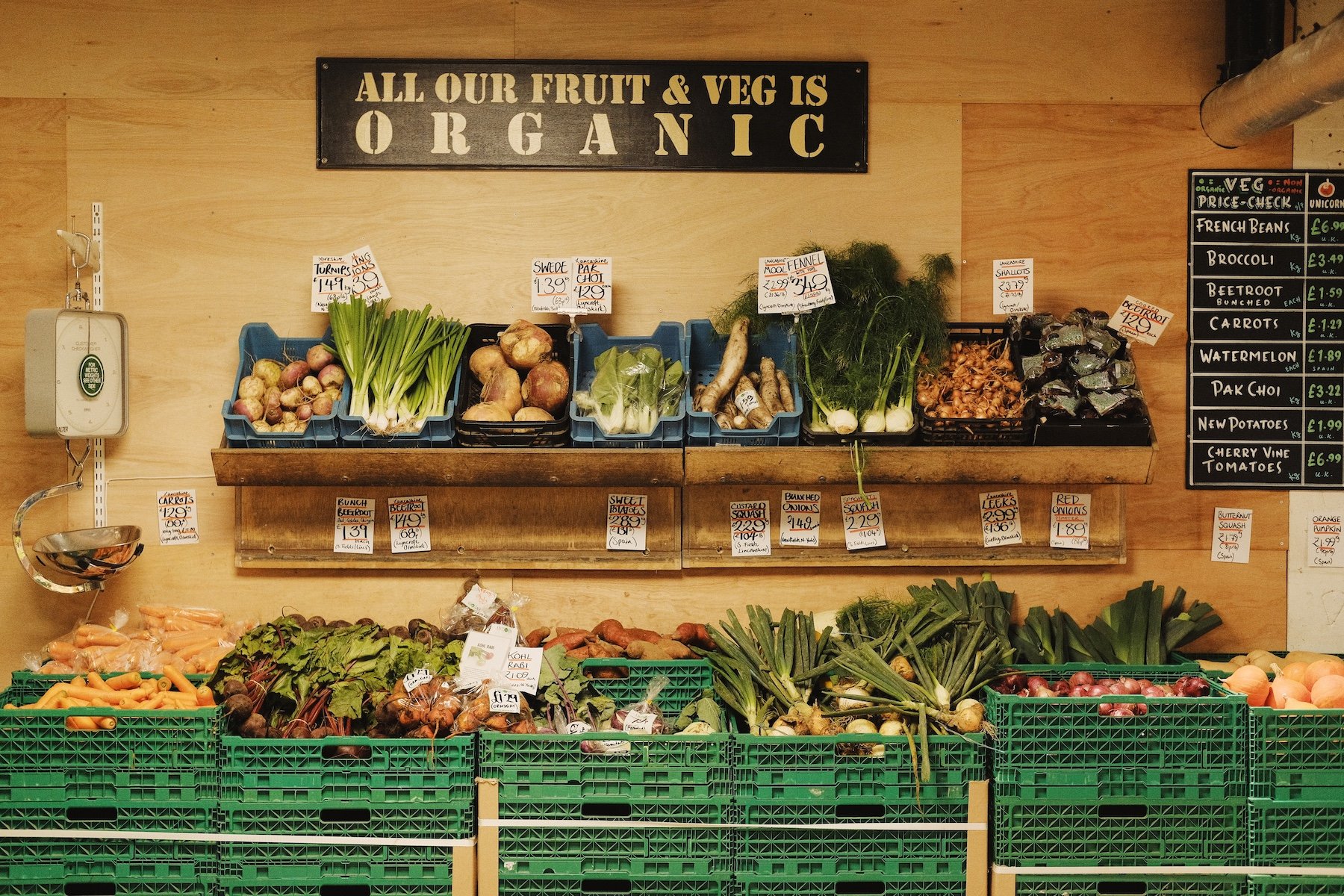
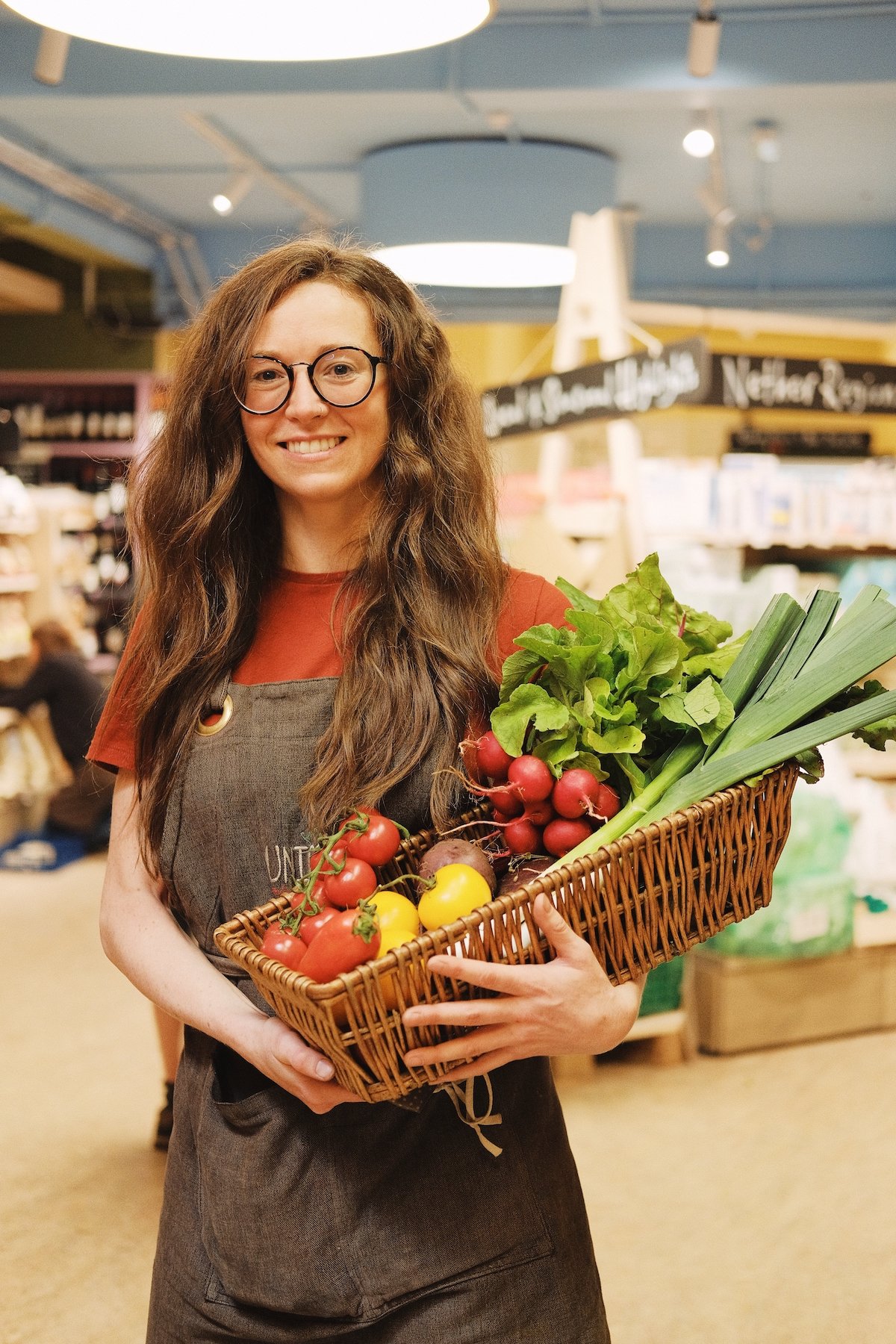
Unicorn Grocery is a worker-owned cooperative based in Chorlton, south Manchester with a big focus on affordable, organic, "cooking-from-scratch" ingredients and fresh, wholesome, tasty food. Seasonal eating is at the heart of what they do.
We’re here to myth-bust best before and use-by dates.